0
0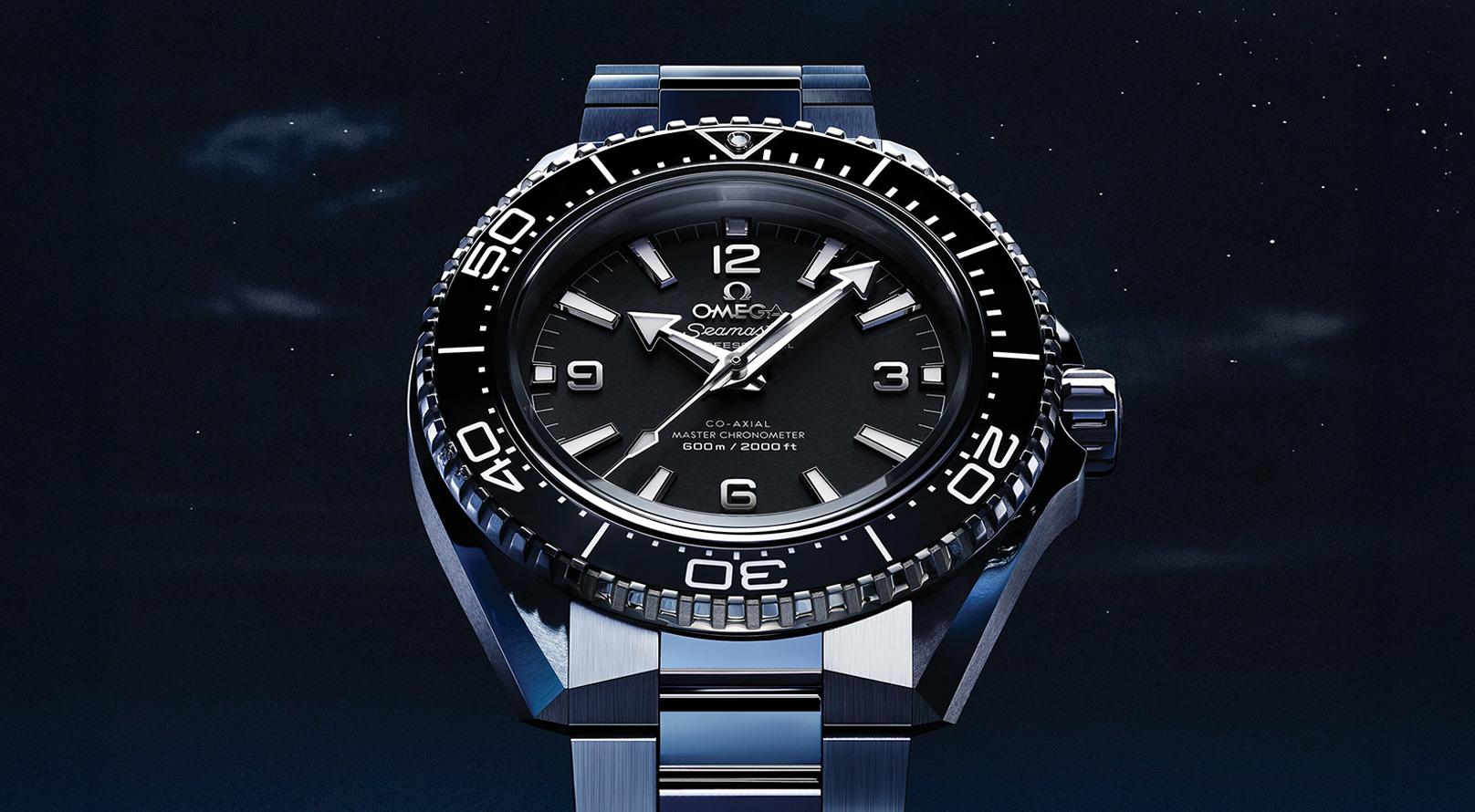


 Trending Articles








Omega’s credibility in deep water was not established overnight, but built gradually over decades through a series of purposeful, technically driven watches that shaped its identity long before the Planet Ocean emerged. Omega first explored underwater capability with the 1932 Marine, among the earliest purpose-designed diver’s watches, distinguished by its sealed double-case construction. By 1948, the introduction of the Omega Seamaster marked a turning point. Created to celebrate the brand’s centenary, it was conceived as a watch for “town, sea, and country,” balancing the restraint of a dress watch with improved water resistance, thanks to an O-ring gasket system that enhanced case integrity.

This foundation evolved steadily, with the Seamaster 300 in 1957 offering a tested depth rating of 200 metres, aligning with the growing demands of professional divers and underwater exploration during that period. In the 1970s, the Omega Seamaster PloProf extended these capabilities further, engineered for 600 metres with a reinforced case structure, side-positioned crown, and locking mechanism suited to saturation diving environments. When the Omega Seamaster Planet Ocean arrived in 2005, it represented a consolidation of decades of technical refinement into a format that balanced robust engineering with a more considered and contemporary presence.
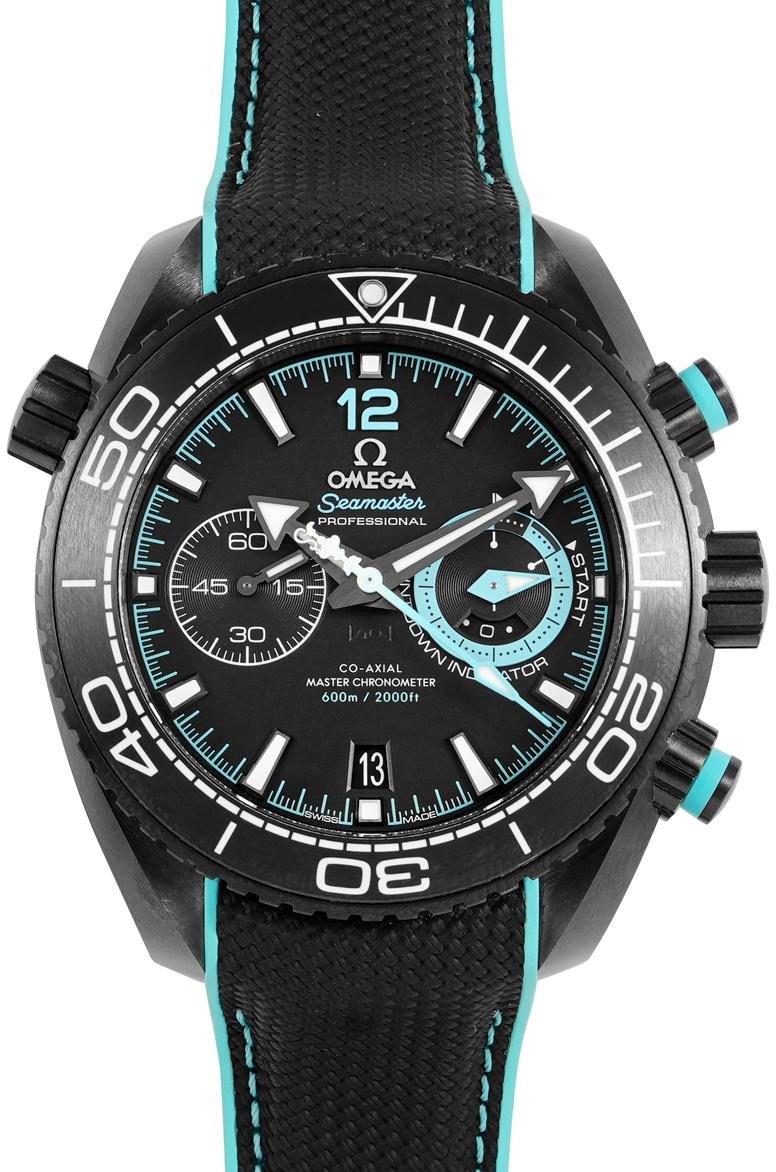
₹1,040,000
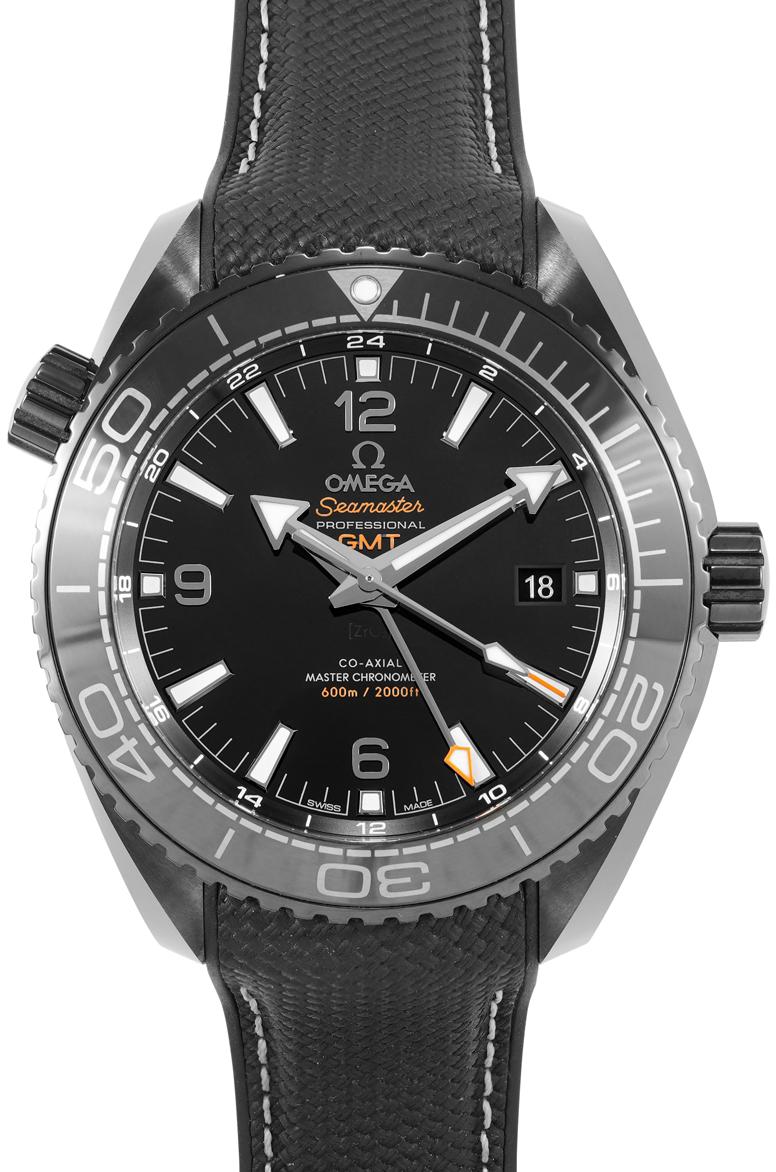
₹850,000
Nearly two decades on, now four generations deep, it remains the most technically assertive expression within the Seamaster line, continuing a lineage defined by function, durability, and incremental innovation.
When the Seamaster Planet Ocean debuted, its defining specification was a depth rating of 600 metres, double that of the Seamaster Diver 300M. Achieving rating required a more robust case architecture, including a screw-down crown and a caseback secured by multiple O-ring seals to maintain water resistance under extreme pressure.


The helium escape valve at 10 o’clock addressed the demands of saturation diving by allowing trapped gas to exit safely during decompression, preventing crystal displacement. A matte black dial, broad arrow hands, and the integration of the Co-Axial Calibre 2500 reinforced the watch’s emphasis on legibility, mechanical stability, and professional capability within Omega’s modern dive collection.
The 2011 iteration of the Seamaster Planet Ocean approached water resistance through materials engineering. Aluminium bezel inserts were replaced with zirconium oxide ceramic, a surface that is significantly harder, chemically inert, and resistant to UV exposure and saltwater corrosion. Its density also contributed to greater long-term sealing stability under repeated stress.


The movement was updated to the Omega Co-Axial calibre 8500, introducing a silicon balance spring that is non-magnetic, lubrication-free, and stable across temperature variation, all relevant to sustained underwater use. A sapphire exhibition caseback appeared for the first time in the collection. In 2014, the GMT variant debuted the world’s first orange ceramic dive-scale bezel, a technically demanding innovation that set a new standard for coloured ceramic in dive watches.
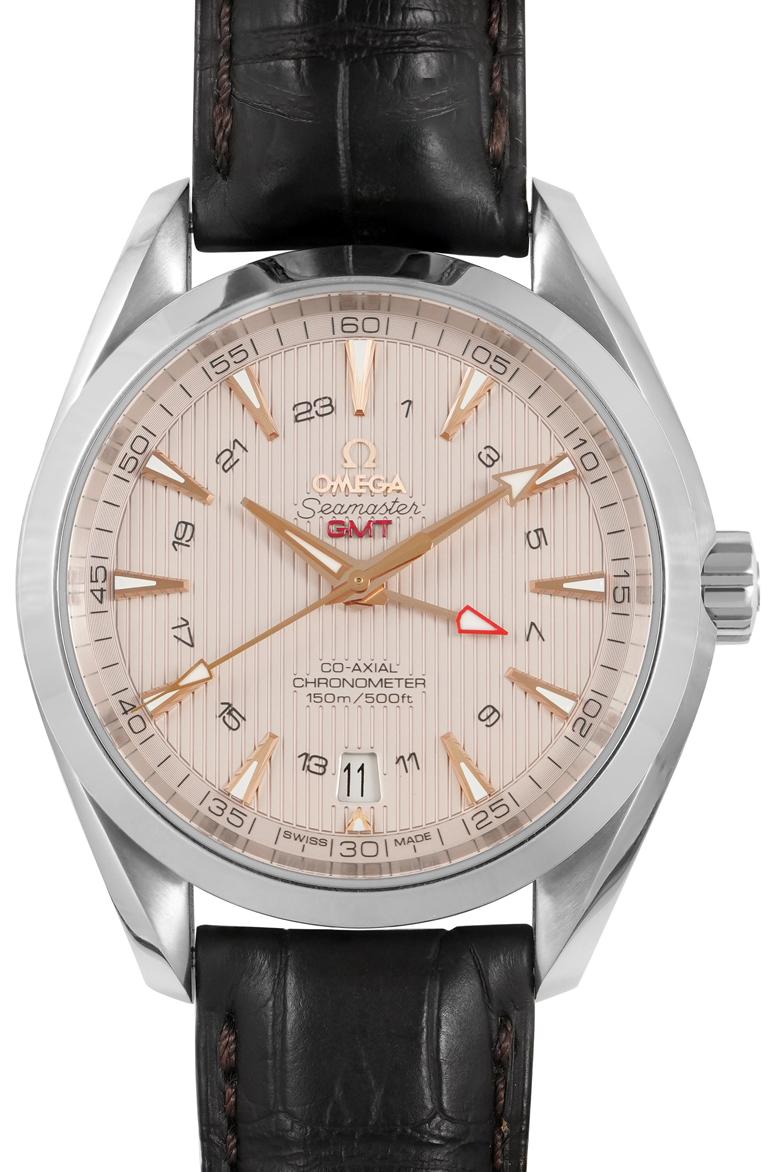
₹472,000
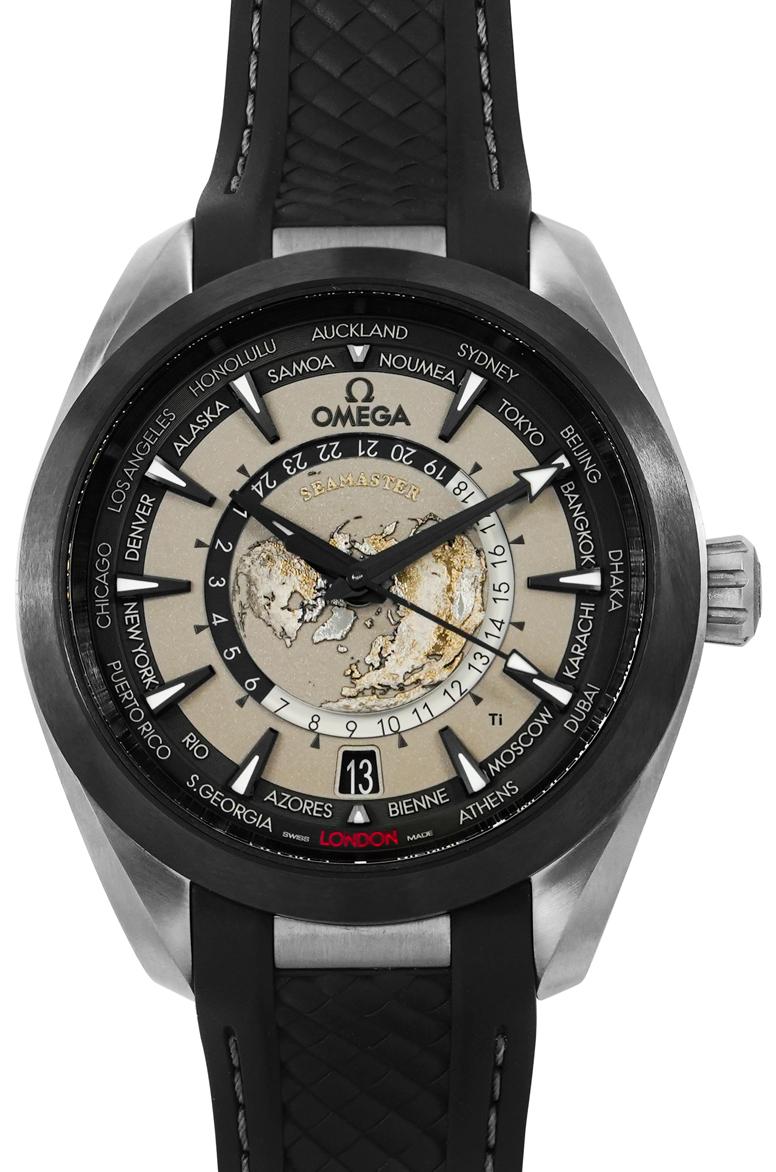
₹1,010,000
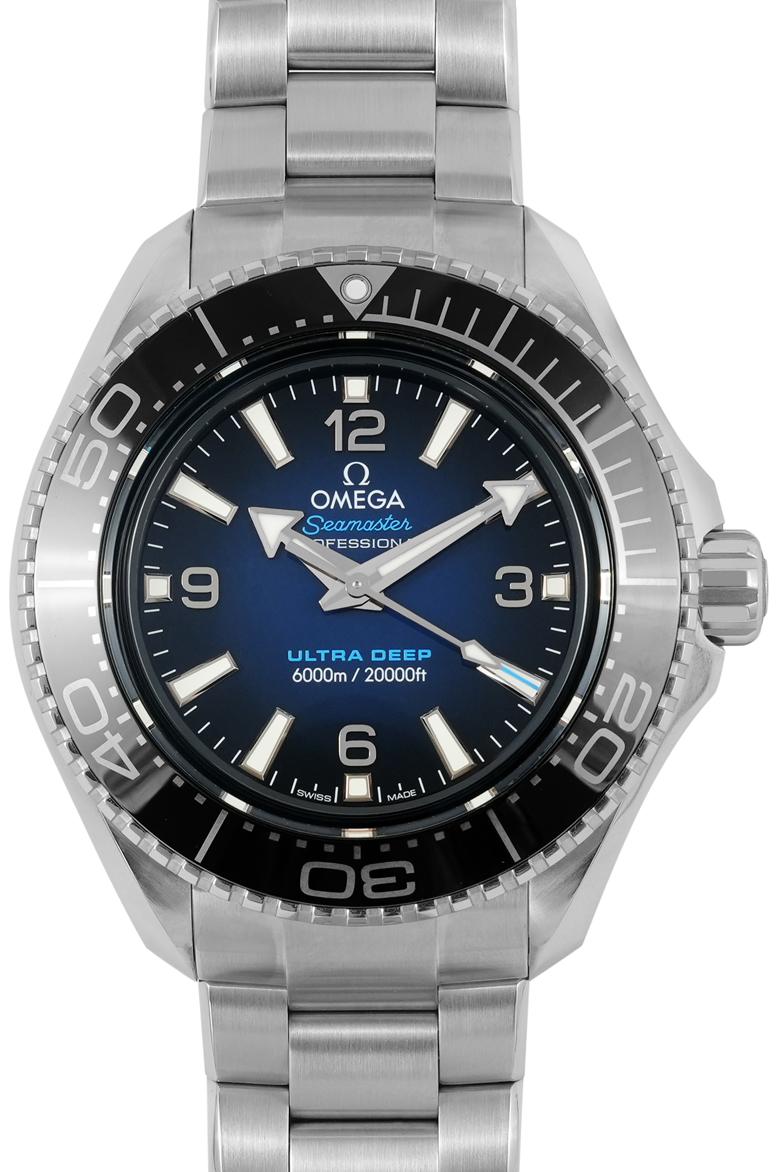
₹900,000
₹850,000
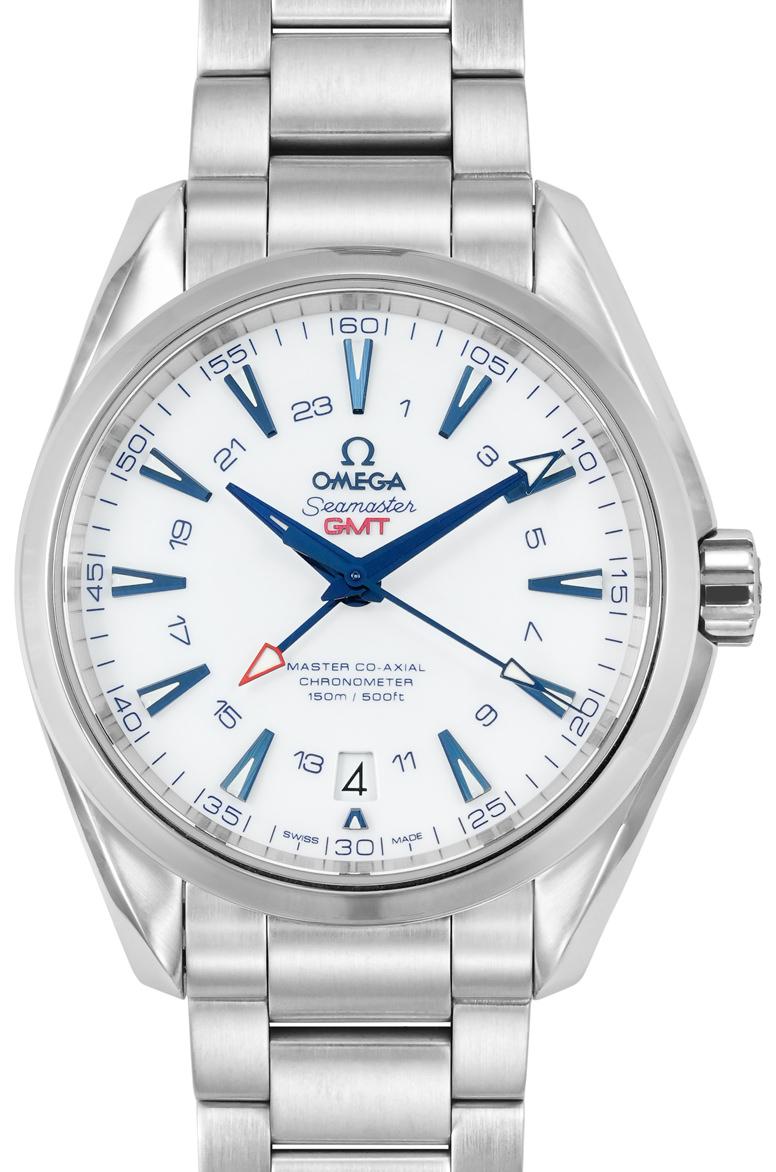
₹520,000
The 2016 Seamaster Planet Ocean generation established the highest performance standard to date with Master Co-Axial Chronometer certification, independently verified by the Swiss Federal Institute of Metrology. The standard goes beyond conventional chronometer testing, demanding daily accuracy of 0/+5 seconds, resistance to magnetic fields up to 15,000 gauss, and verified performance across water resistance, power reserve, and positional variation.


Driving these models, the calibre 8900 retained the silicon balance spring and co-axial escapement while fully complying with the new certification. Ceramic use expanded from bezels to zirconium oxide dials, and the Deep Black references pushed the envelope further with fully ceramic cases engineered to maintain 600-metre depth ratings despite the material’s sensitivity to uneven compressive stress.
The Ultra Deep elevated the Planet Ocean line to unprecedented depths. A titanium prototype reached 35,853 feet in the Mariana Trench during Victor Vescovo’s record-setting expedition, exceeding the 35,787-foot mark set by the Rolex Deepsea seven years earlier.


When released in 2022, the production model translated that extreme engineering into a wearable watch. Cases in grade 5 titanium or O-Megasteel measured 45.5mm in diameter and 18.2mm thick, rated to 6,000 metres. Features such as the no-date dial, titanium caseback, and multiple structural innovations directly informed the fourth-generation Planet Ocean, cementing the Ultra Deep as both a technical and design benchmark for extreme professional dive watches.
Omega Planet Ocean Ultra Deep.
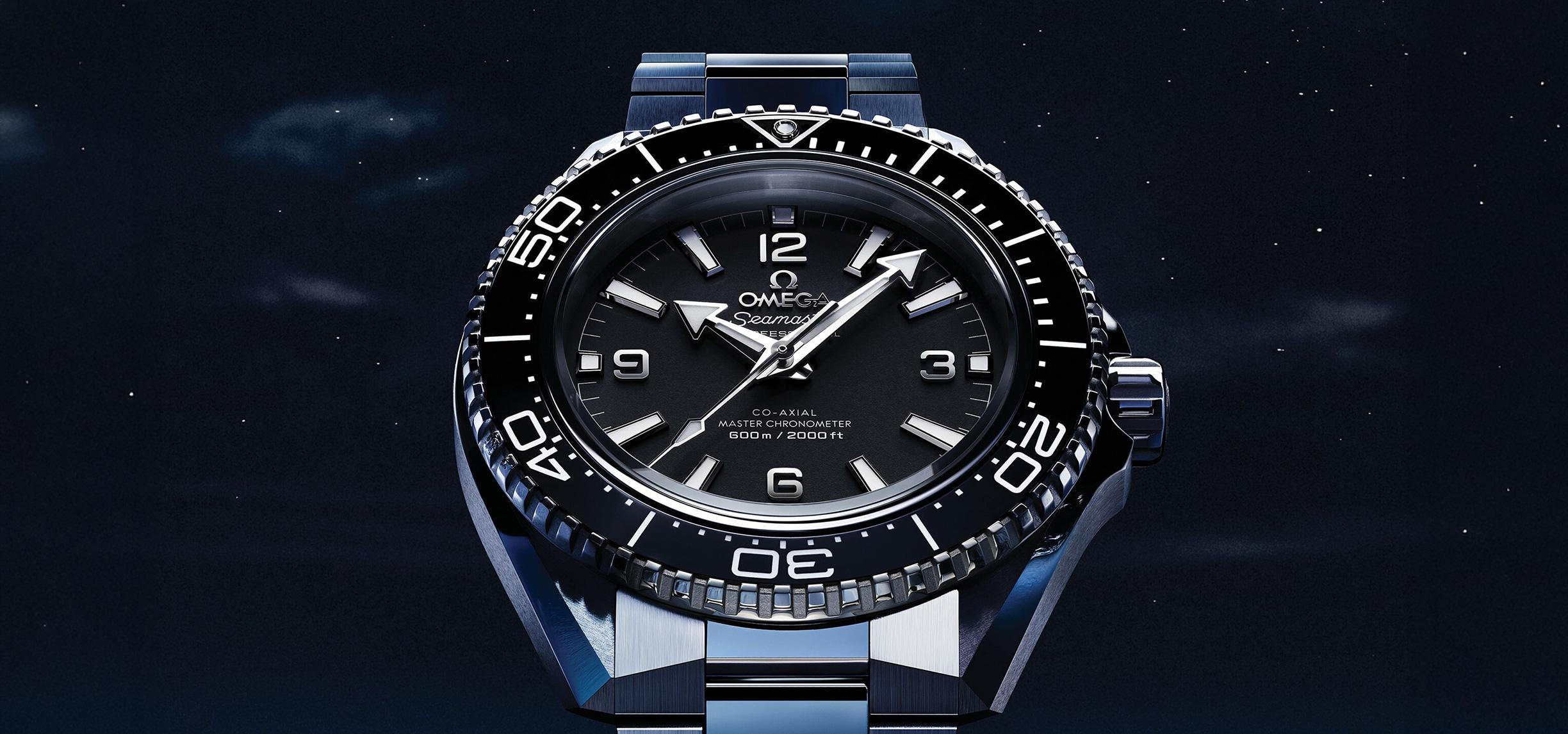
The latest iteration of the Seamaster Planet Ocean, introduced in 2025, revisits the original 42mm case size. It arrives at a notably slimmer 13.79mm, achieved through a flat sapphire crystal, a redesigned two-part case, and the Ultra Deep’s titanium inner ring for structural integrity. Water resistance remains at 600 metres with the helium escape valve absent, leaving a cleaner, symmetrical profile without compromising depth performance. All three variants—black, blue, and orange ceramic bezels—feature a matte black dial with Arabic numerals and no date window. A solid grade 5 titanium caseback replaces the exhibition window, reducing weight while adding strength.


Inside, the Master Chronometer-certified Co-Axial calibre 8912 delivers antimagnetic resistance to 15,000 gauss and a 60-hour power reserve. The integrated bracelet is slimmer, with brushed outer links flanking a polished centre and a six-position diver’s extension. This generation carries all its capability with a refined, restrained presence, embodying engineering sophistication quietly but fully.
Omega shaped its underwater journey through steady, purposeful innovation rather than sudden breakthroughs. The Planet Ocean represents the culmination of that evolution—bringing together decades of engineering progress in a watch that balances extreme capability with modern refinement, while staying true to the functional DNA that shaped the Seamaster line.

Sign up to be emailed when I publish new content. Read. Watch. Shop. Learn. Trade. All in one place.


 14 Jul, 2026
 5 Min Read
 19 Jun, 20264 Min Read
 15 Jun, 20266 Min Read
 30 May, 20267 Min Read
 30 May, 20265 Min Read
 30 May, 20264 Min Read