 0
0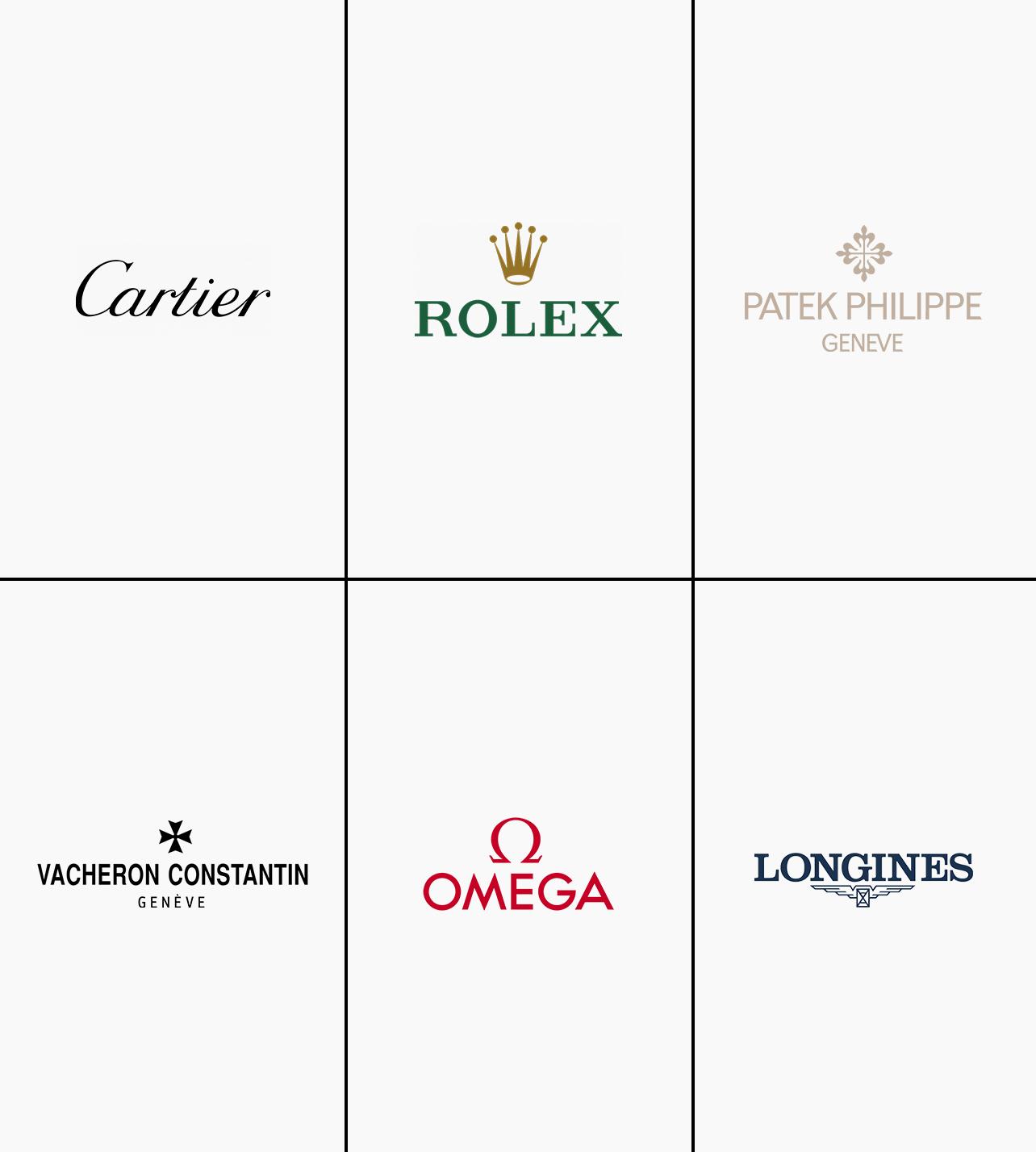
 Trending Articles
How To Spot A Fake Chopard Happy Sport Watch
31 Jul, 2025


Most Iconic Watches Of All Time And Why?
28 Jul, 2025

In the earliest years of horology, a watchmaker’s signature was a discreet mark, such as initials engraved inside a case or a name etched on a bridge. These hidden inscriptions proved authorship, nothing more. But as workshops evolved into established maisons and competition intensified, makers moved their marks into view. What began as modest signatures became the watch brand logos we recognise today. These symbols express heritage, craft, and vision. A logo became a distilled expression of lineage, method, and the craftsman’s inspiration. It shaped what we now recognise as luxury watch brand logos.
Through the nineteenth and twentieth centuries, this visual language matured. Emblems began to mirror the worlds from which the houses drew their ideas. These influences ranged from navigation and engineering to jewellery. Each mark carried history, but also intention, shaping how a timepiece would be recognised long after the movement inside had changed. To study the luxury watch brand logos of eminent watchmaking houses is to trace how identity emerged through small, precise motifs that still sit with authority on dials and crowns today.
The Emblems That Define Six Great Watchmaking Houses
Over time, each maison arrived at a symbol that reflected its own trajectory. These watch brand logos carry meanings that become clearer when viewed through their individual histories. What follows are the stories behind six of the most enduring luxury watch brand logos in watchmaking. You can also explore similar timepieces in our latest arrivals.
Patek Philippe: The Calatrava Cross
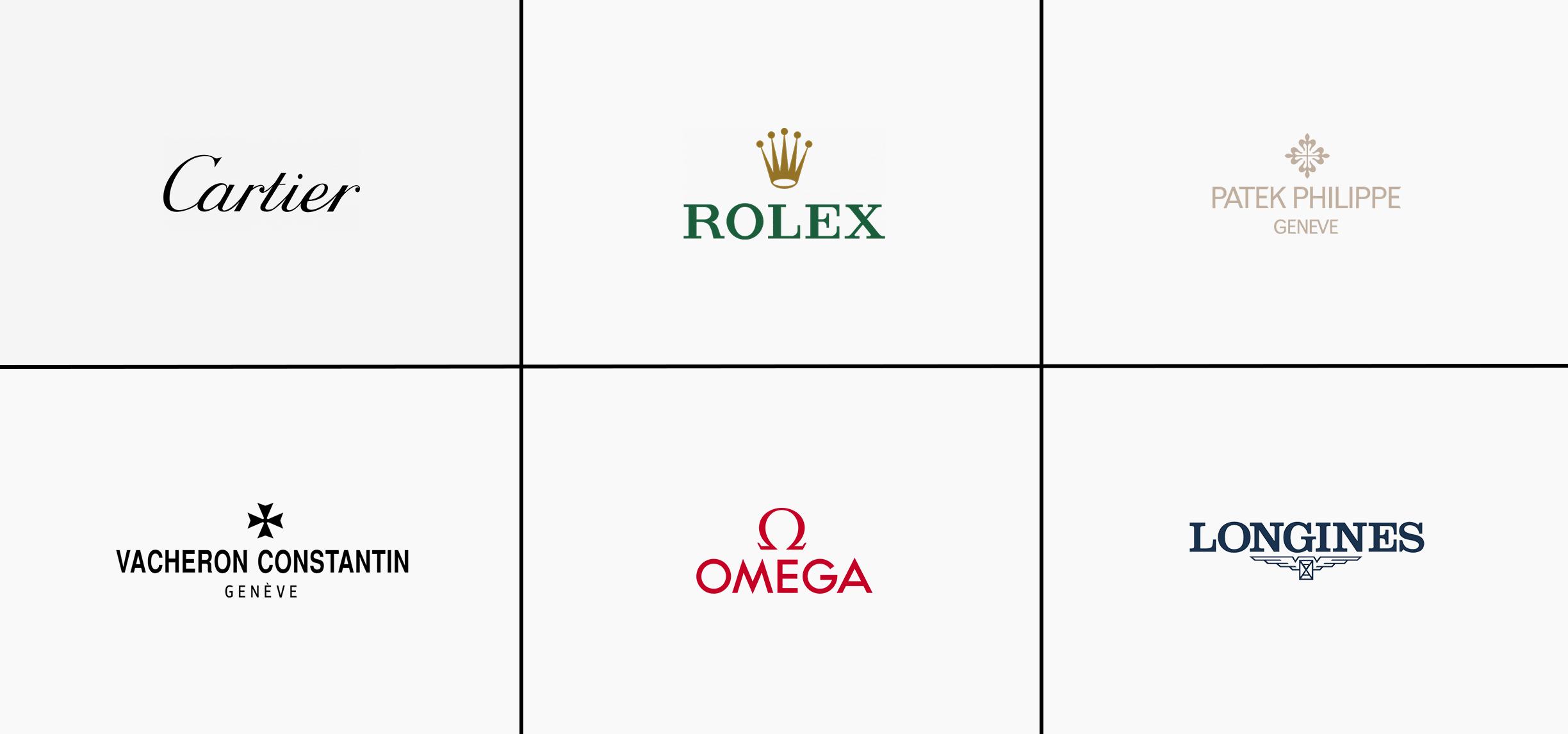
In 1887, Patek Philippe formally adopted the Calatrava Cross as its emblem, registering the symbol as a seal of identity and continuity. The cross has four arms ending in fleur-de-lis. It echoes a chivalric order: the Order of Calatrava, a twelfth-century Spanish military brotherhood. Before the cross, the company used a PP & Co scroll mark. The adoption of the cross marked a more considered visual intent.
Over the years, the emblem has appeared on crowns, clasps and casebacks, reminding wearers of the house’s integrated manufacture. Today, the Calatrava Cross remains one of the most recognisable symbols in luxury watchmaking, reinforcing Patek Philippe’s position as a guardian of horological tradition.

Rolex: The Five-Point Coronet
Rolex registered its five-point coronet as a trademark in 1925, with a subsequent registration in 1931. By the 1930s, it began appearing prominently on watch dials, positioned above the Rolex name, where it would become inseparable from the brand’s identity. The crown was conceived as a symbol of achievement and excellence, reflecting founder Hans Wilsdorf’s vision of Rolex as a leader in precision timekeeping.
Over time, the coronet moved beyond the dial and onto winding crowns, clasps and other components, becoming part of the watch’s physical language. Its form changed very little over time, which strengthened its familiarity. Today, the Rolex crown is perhaps the most instantly identifiable logo in watchmaking, a symbol that transcends horology to represent aspiration itself. Among watch brand logos, the Rolex coronet remains one of the most instantly recognisable symbols in the world.

Longines: The Winged Hourglass
Longines holds one of the oldest registered logos in watchmaking, securing the winged hourglass in 1889, although the company had been using variations of the symbol even earlier. The design pairs the classical hourglass with wings. The symbol evokes speed, flight, and forward motion. As Longines became deeply involved in precision timing for aviation and sporting events, the emblem gained even clearer relevance.
In 1919, Longines became the official supplier to the International Aeronautical Federation. Collaborations with aviators like Charles Lindbergh, who inspired the 1931 Hour Angle Watch, cemented the brand’s connection to flight. Over more than a century, the form has remained recognisable, appearing across dials, crowns, and documentation. It stands today as a symbol anchored firmly in the company’s origins and its long-standing connection to chronometric performance. Within the history of watch brand logos, the winged hourglass stands as one of the most enduring emblems.

Vacheron Constantin: The Maltese Cross
Vacheron Constantin adopted the Maltese Cross in 1880. The form came from a movement component mounted on the barrel to control tension. The symbol’s resonance extended beyond its mechanical function. The Knights of Malta used the Maltese Cross as their emblem since the sixteenth century, representing eight virtues: faith, repentance, humility, truth, justice, mercy, sincerity, and endurance.
For a watchmaking house founded on technical discipline and continuity, the cross offered layers of meaning both historically and aspirationally. Through more than a century of use, the Maltese Cross has remained a steady marker of Vacheron Constantin’s continuity and longstanding horological craft. Like many historic watch brand logos, the Maltese Cross reflects both function and philosophy. You can still find its hints within the brand’s movements today, adorning column wheels in chronographs or serving as motifs in tourbillon cages.

Cartier: The Interlaced Double C
Cartier’s visual identity is shaped by its flowing wordmark and the interlaced double “C” monogram, a signature seen across Cartier watches. Introduced at the 1900 Paris World Exhibition and registered in 1910, the monogram emerged as a natural extension of the maison’s name, designed with the same elegance found in Cartier’s jewellery. Unlike watchmakers rooted in Geneva’s technical workshops, Cartier’s identity was formed in the ateliers of Paris’ Place Vendôme. Its form also reflects Cartier’s early world, shaped by commissions for royalty and the wider circles of high society.
Among watch brand logos, Cartier’s stands as an emblem of finesse. Applied to dials, crowns and buckles, the monogram functions as a discreet signature of a house whose timepieces carry a jeweller’s sensitivity to line and proportion. The monogram signals a different kind of watchmaking pedigree, one where beauty and mechanical ingenuity exist in equal measure.

Discover Cartier Timepieces At Second Movement
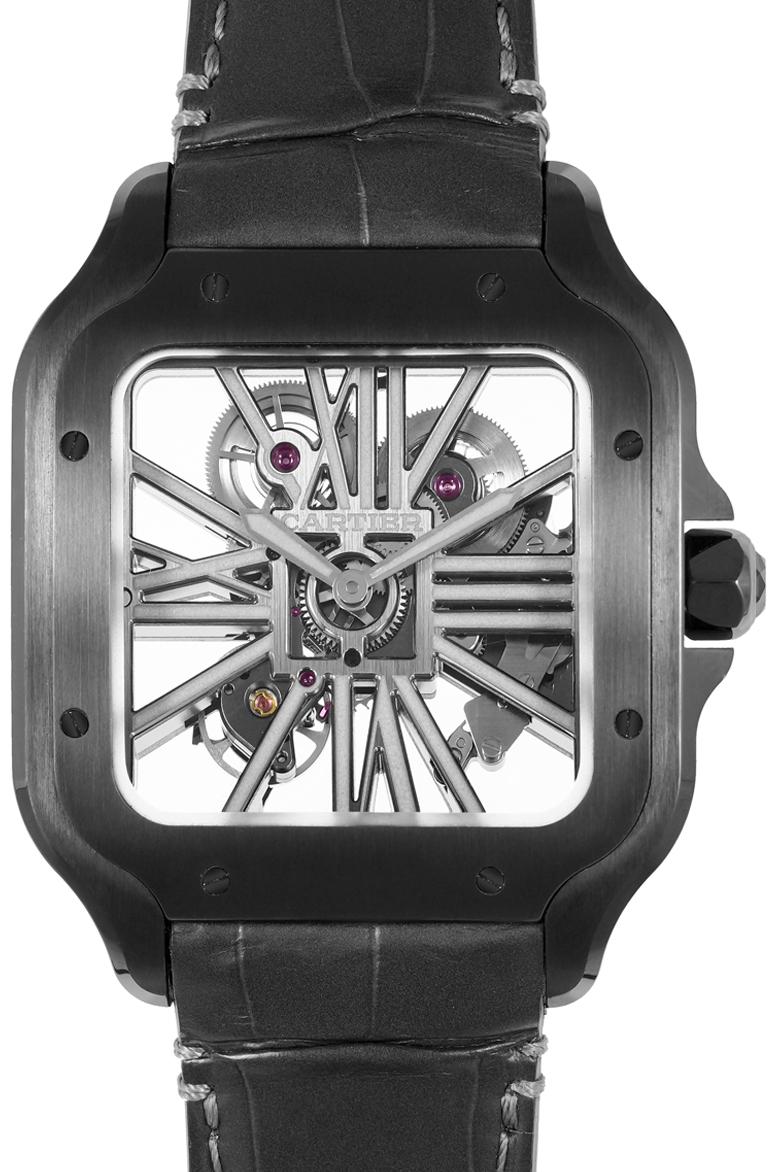
Cartier — Santos de Cartier
₹1,820,000
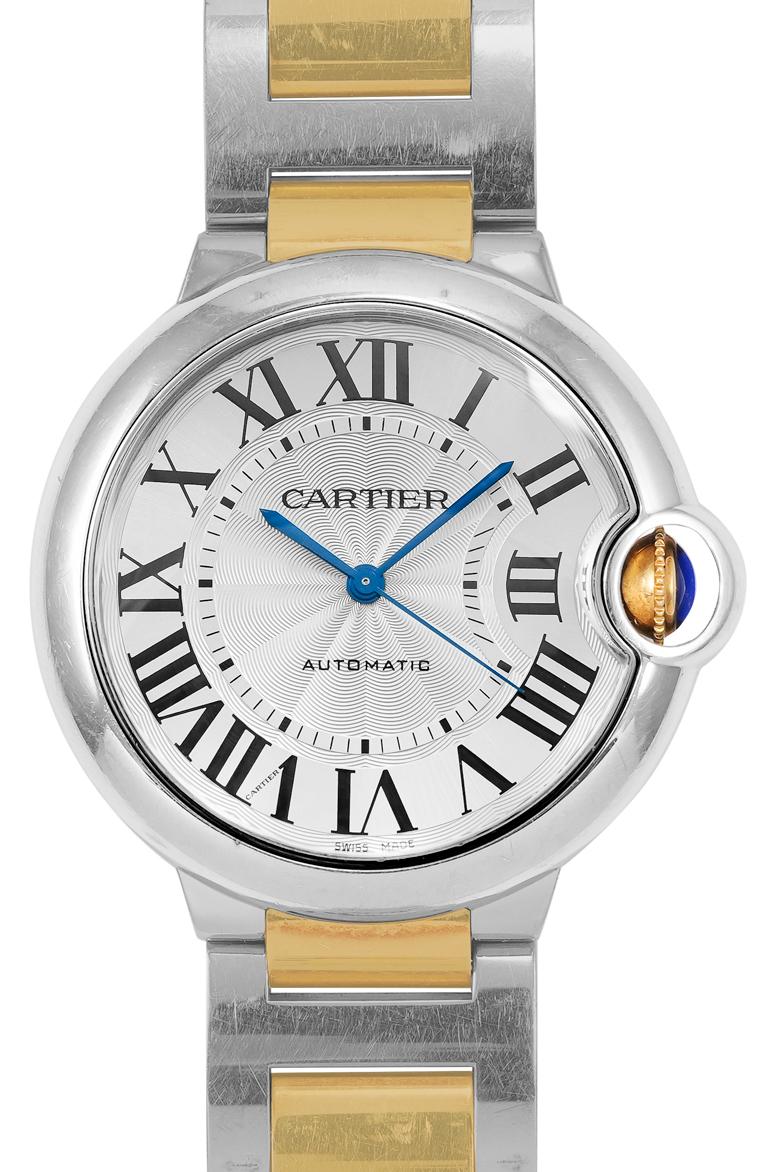
Cartier — Ballon de Cartier
₹750,000
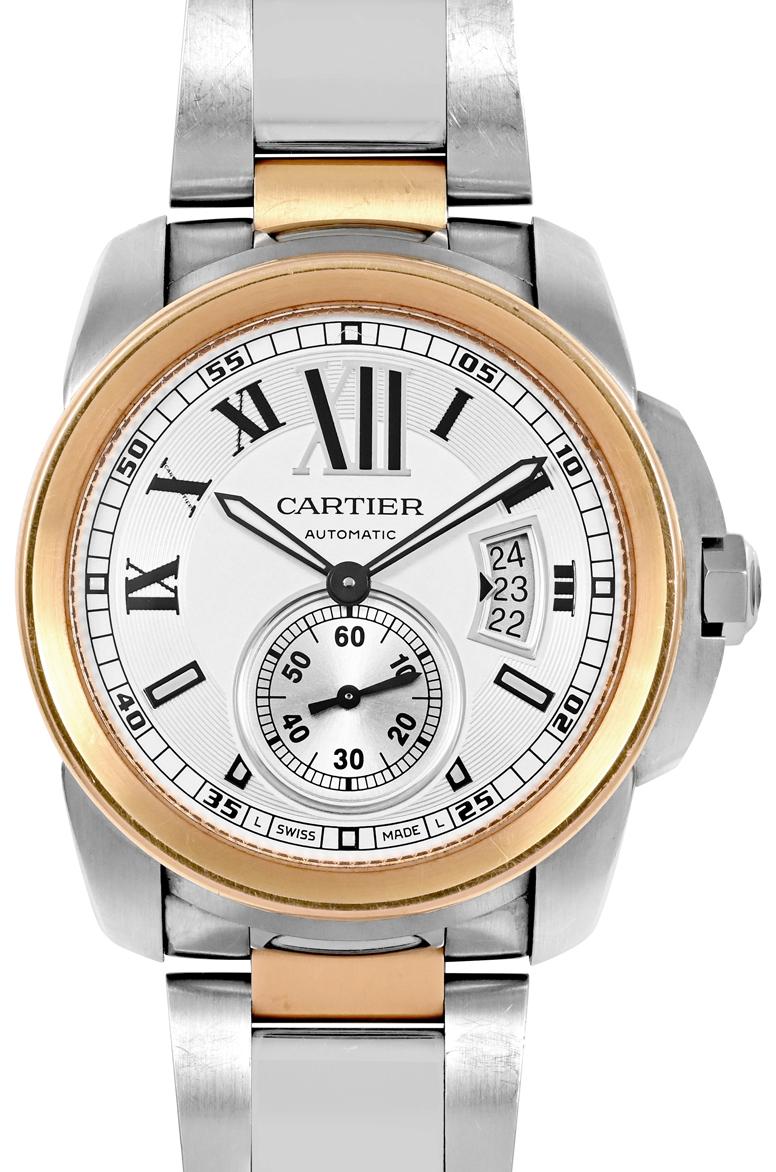
Cartier — Calibre de Cartier
₹500,000
Omega: The Ultimate Letter
Omega’s emblem is the final letter of the Greek alphabet (Ω), adopted when the maison introduced a new calibre in 1894 that marked a turning point in its manufacturing approach. The name “Omega” means “the ultimate” or “the final.” The logo perfectly mirrors this declaration. By 1903, the success of the Omega calibre had become so significant that the company changed its name entirely, becoming the Omega Watch Co. The symbol soon appeared on dials, crowns, and movements, serving as a concise expression of technical confidence.
Today, the Ω symbol embodies a legacy of innovation. It’s reflected across modern Omega watches from official timekeeping at the Olympics to being the first watch worn on the moon. The logo’s simplicity allows it to adapt across collections while maintaining unmistakable brand consistency.

Explore Omega timepieces through Second Movement
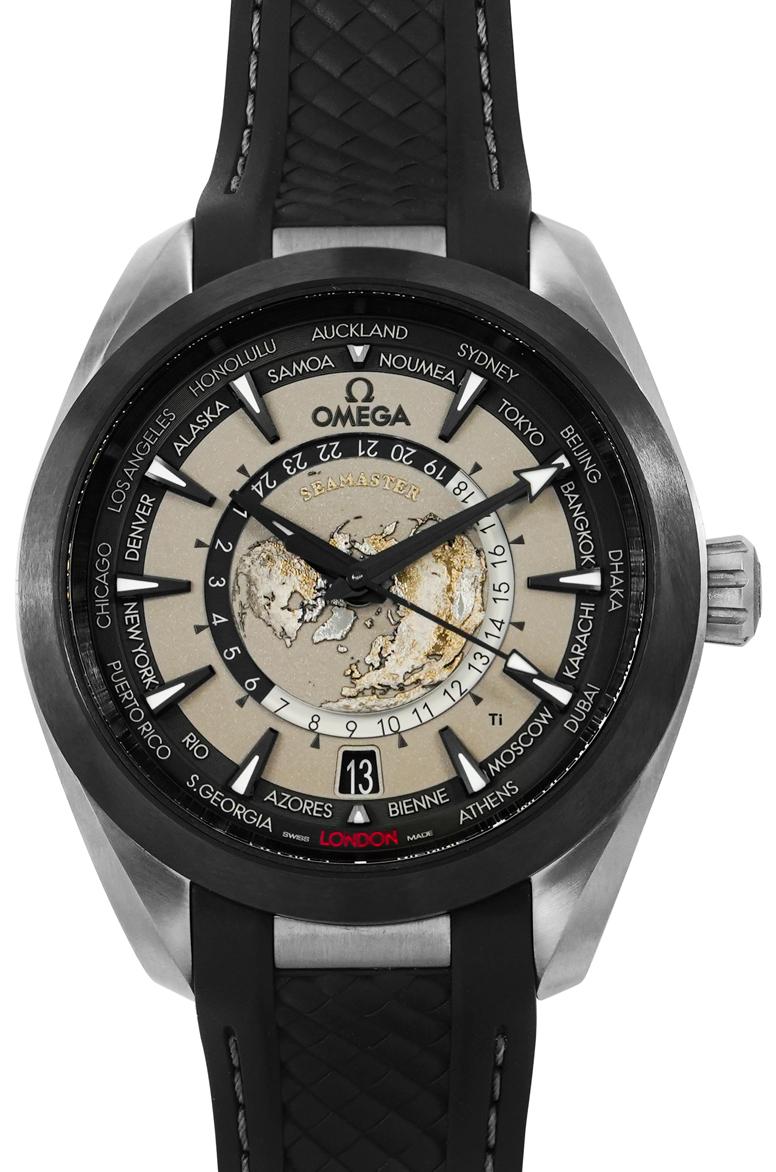
Omega — Seamaster
₹1,010,000
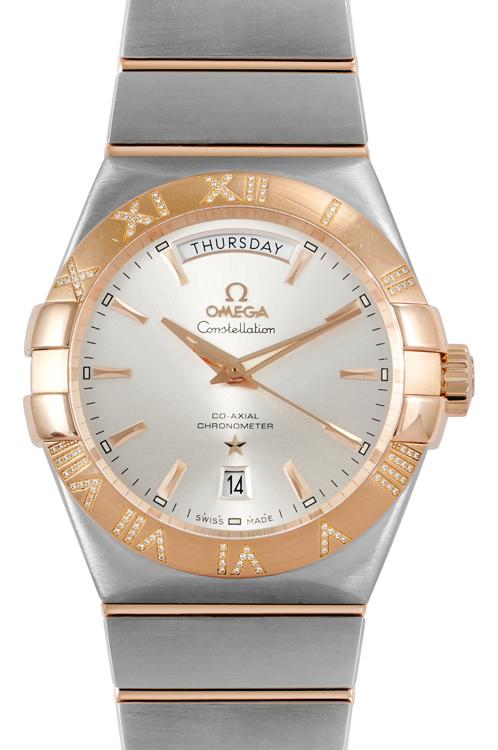
Omega — Constellation
₹850,000
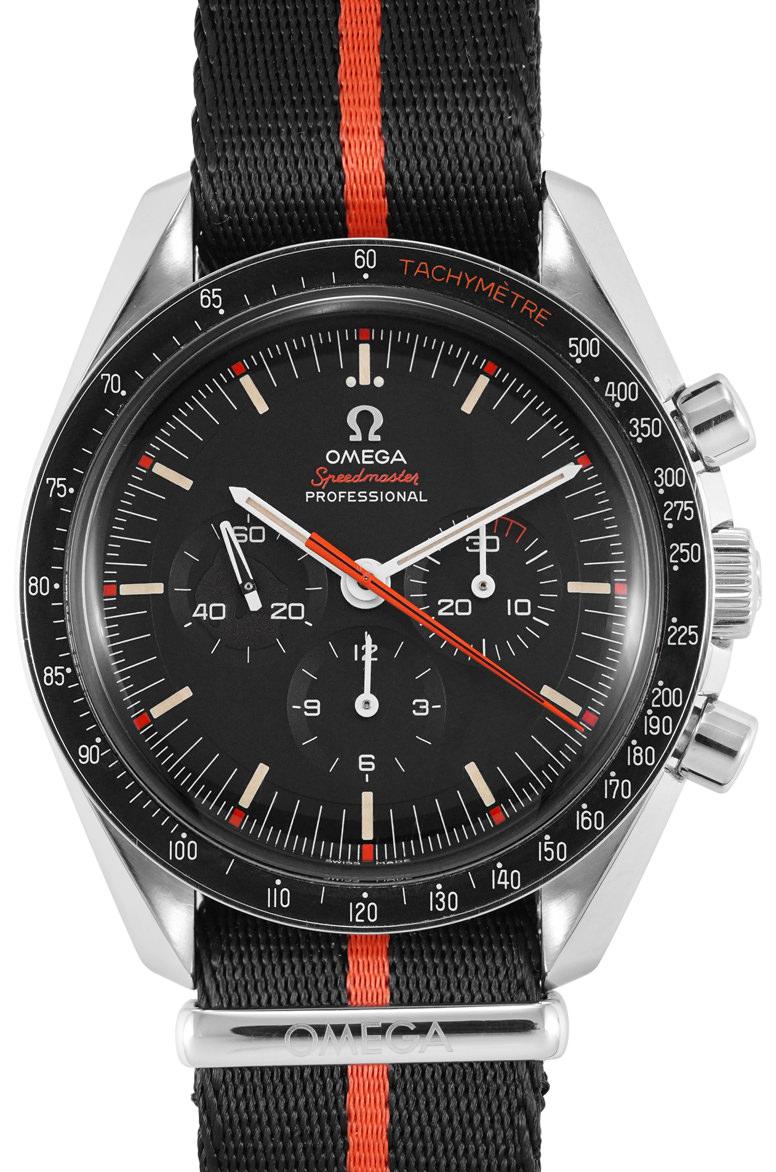
Omega — Speedmaster
₹945,000
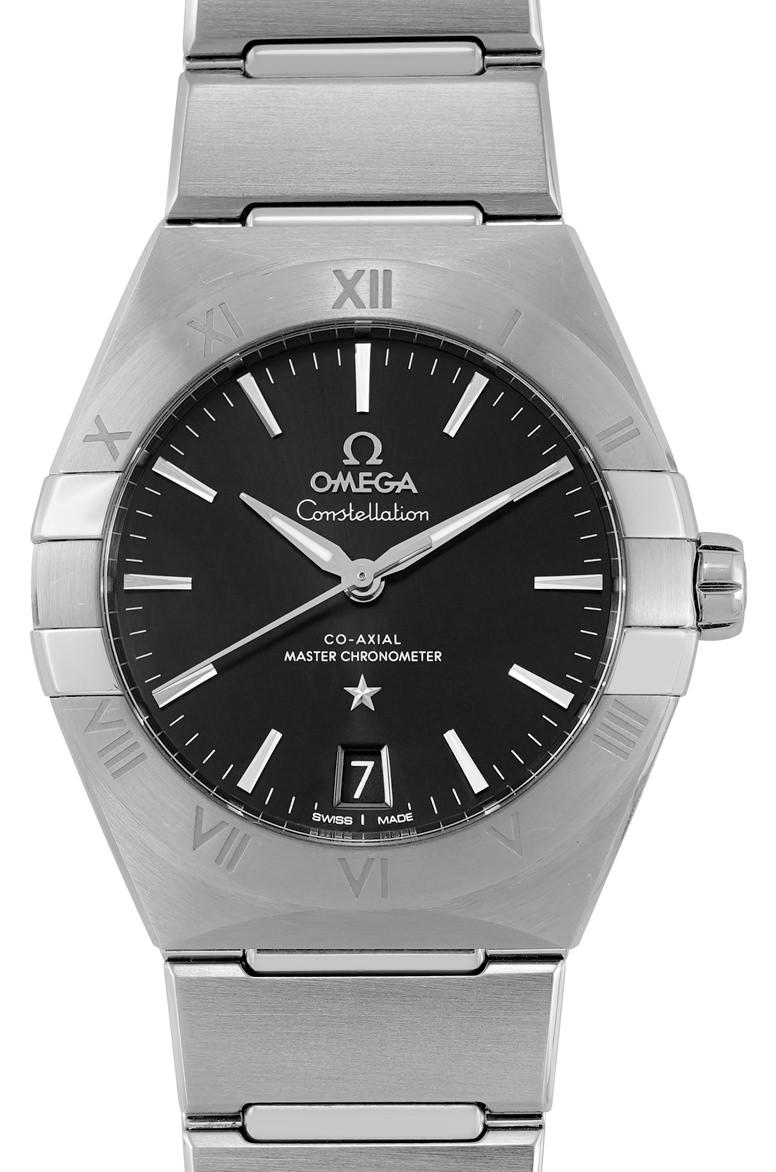
Omega — Constellation
₹390,000
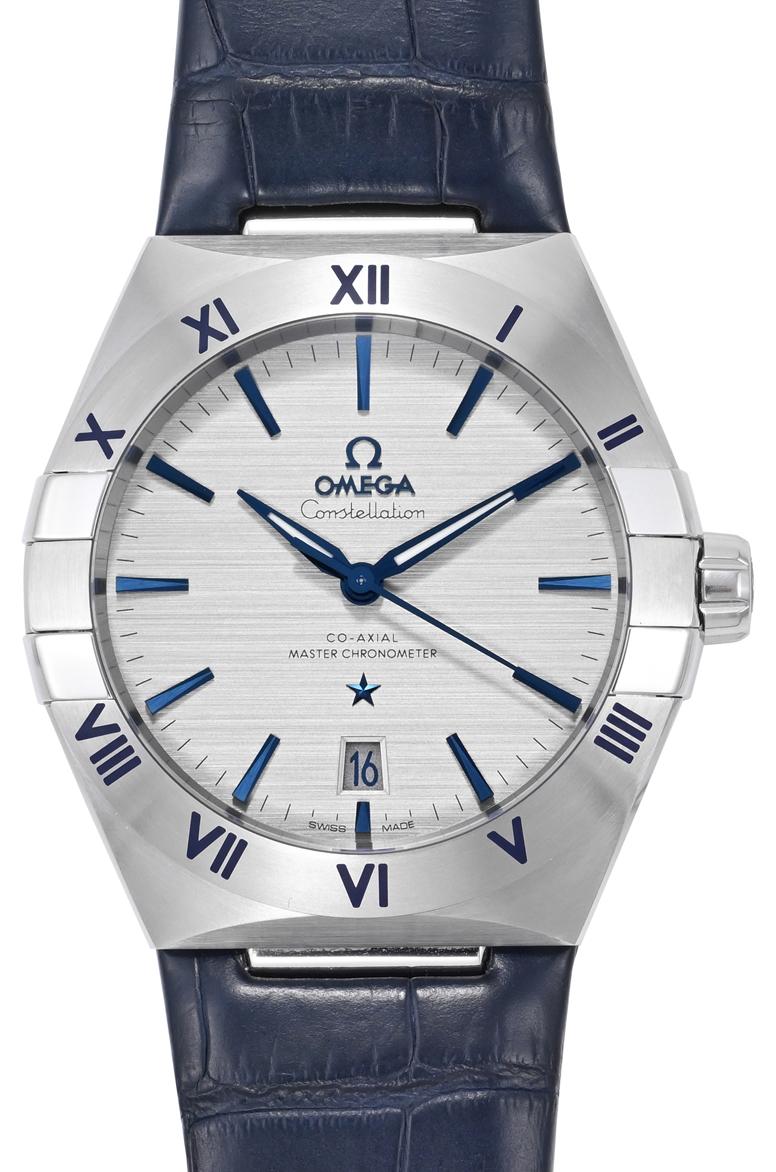
Omega — Constellation
₹450,000
Marks That Endure
The luxury watch brand logos of these six houses emerged at pivotal moments: when a workshop became a manufacture, when a new technical achievement demanded recognition, or when a house sought to articulate its values in visual form. Each symbol draws from something tangible. And because they were rooted in the house’s story, they have endured. In an industry defined by continuity and evolution, these emblems remain constant, carrying the weight of centuries, sitting with authority on wrists around the world.


The Journal
24 Mar,2026

Want to be the first to be in the know?
Sign up to be emailed when I publish new content. Read. Watch. Shop. Learn. Trade. All in one place.

Related Stories
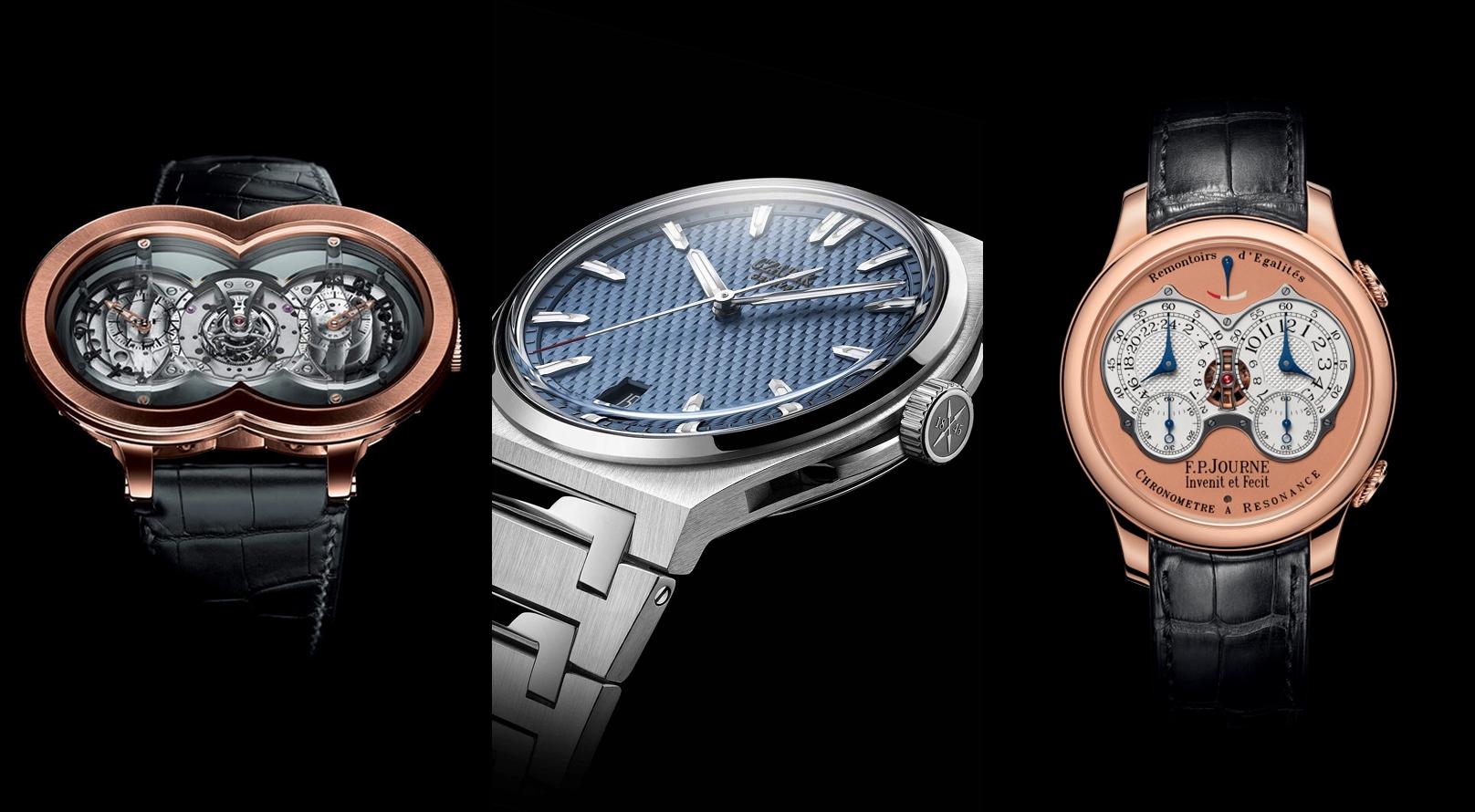
The Rise Of Independent Watchmaking In A Collector-Driven Era
 14 Jul, 2026
 5 Min Read
The Watch That Outlives Us
19 Jun, 20264 Min Read
The Timepieces Worn By Football’s Biggest Stars In 2026
15 Jun, 20266 Min Read
Two Ways To Track The World: Understanding GMT And World Timer Watches
30 May, 20267 Min Read
The Ten Luxury Watch Brands Defining India's Collector Market In 2026
30 May, 20265 Min Read
Buying Better, Not Louder: A Guide To Serious Watch Collecting With Pre-Owned Watches
30 May, 20264 Min Read