 0
0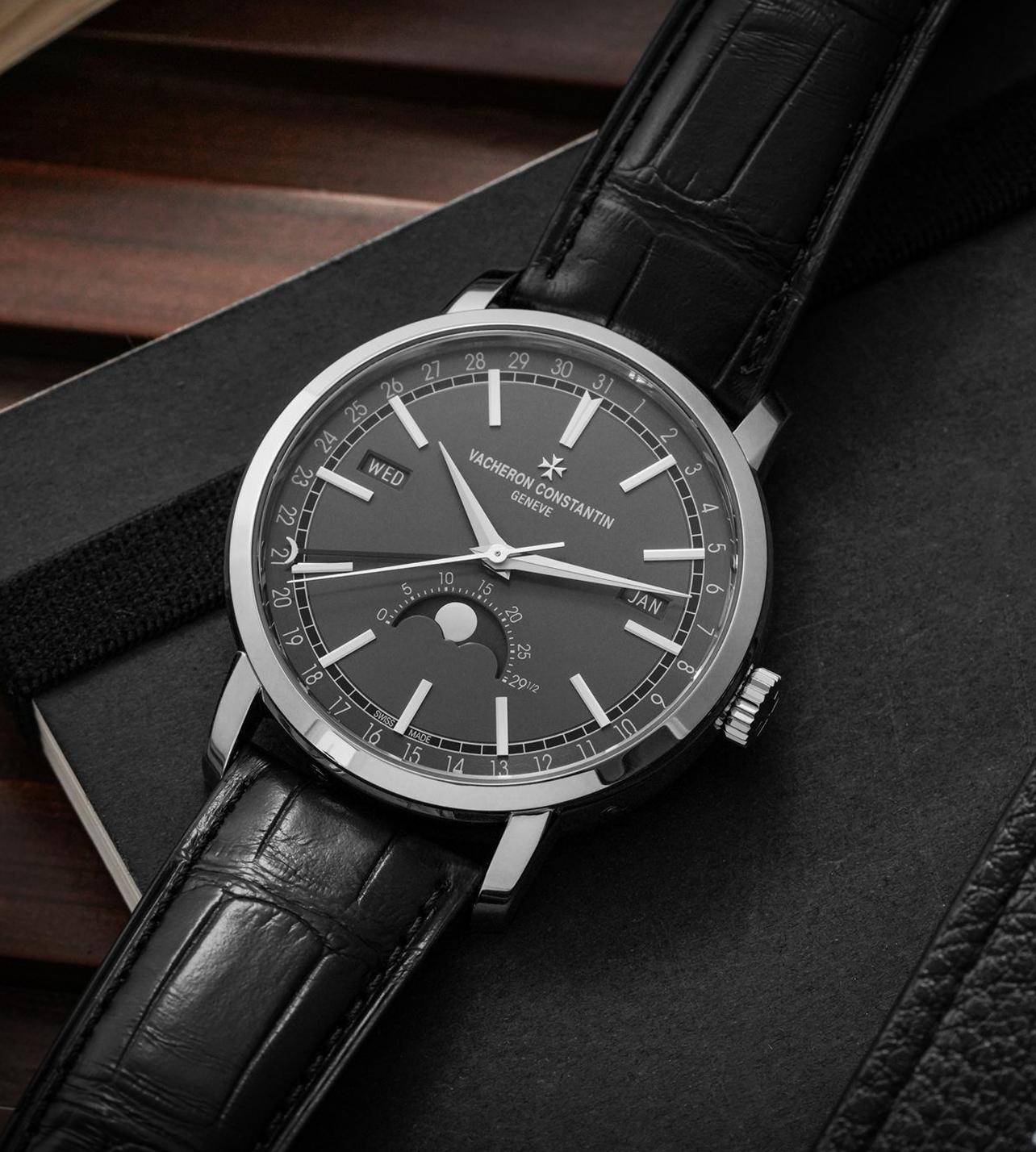
 Trending Articles
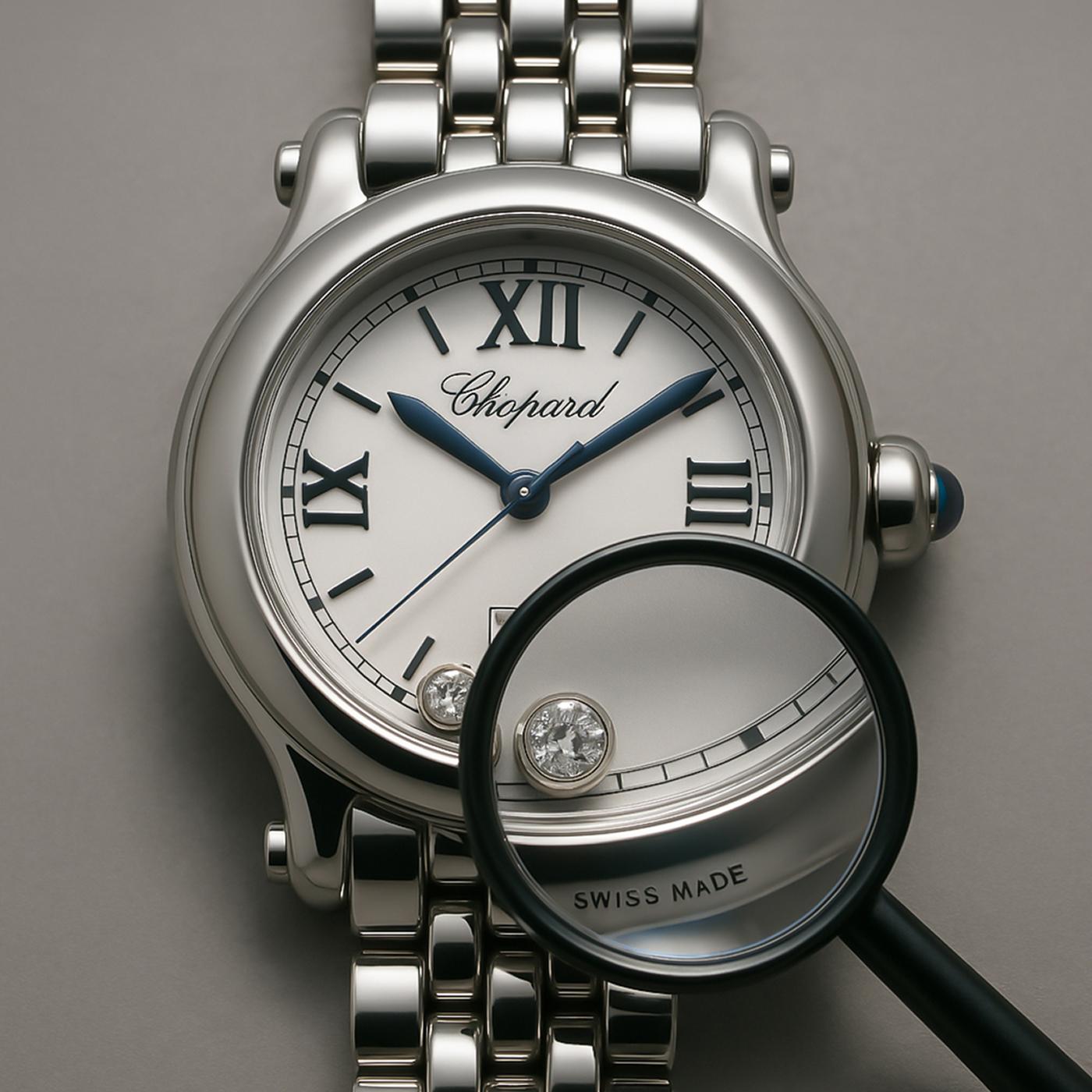
How To Spot A Fake Chopard Happy Sport Watch
31 Jul, 2025


Most Iconic Watches Of All Time And Why?
28 Jul, 2025

A watch is, among the objects a father leaves behind, the only one still doing its job. A house gets sold, a car ages out of use, and letters go unread in a drawer. But a mechanical watch, wound and cared for, keeps doing precisely what it was built to do on a wrist that is no longer there to wind it, until someone else decides to keep it running.
That decision is the whole of what inheritance means, told in horological terms. Most objects we pass down are kept. A watch has to be maintained. It asks something of whoever receives it, a small, recurring act of attention, and in exchange it offers something almost no other inherited object can: genuinely active continuity instead of being merely preserved. A photograph holds a moment still, but a watch keeps moving, and the best ones keep moving on more than one face at once.
The Hidden Side
The Jaeger-LeCoultre Reverso makes that literal. Designed nearly a century ago with a case that flips entirely within its carriage, originally to protect the dial during polo matches, it left something behind almost by accident: a private second face. Generations of owners have used the reverse side not for protection but for inscription: an initial, a date, a line meant for a specific person only. The watch shows the world one face and keeps something more subdued on the other. Few objects offer that structurally; most heirlooms only ever show one side.


What Outlasts A Single Owner
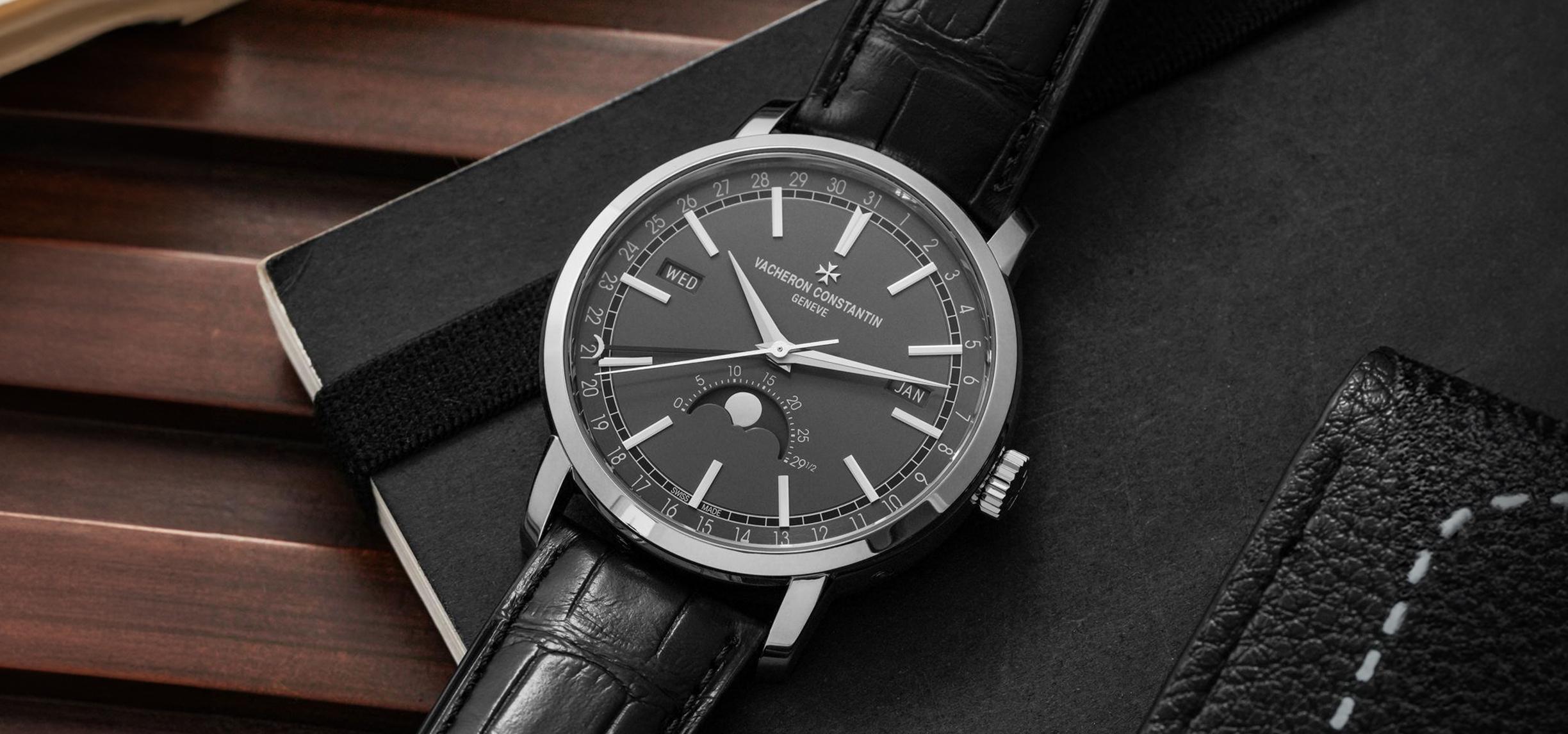
Other watches make their case for memory not through privacy but through time itself. Vacheron Constantin has operated continuously since 1755, the oldest watch manufacture never to have stopped production, and there is something in that unbroken record that mirrors what a family does when it keeps something running across decades it cannot fully account for. The watch and the family are both attempting the same improbable thing: an unbroken line through time, maintained by people who never overlap.


At the highest tier of watchmaking, this idea is the entire premise. A piece like Patek Philippe’s annual calendar, its moon phase quietly tracking a cycle older than any human record-keeping, is built on the understanding that the watch will likely outlast its first owner. The brand has spent generations building its identity on the idea that nobody truly owns one of these watches outright. You hold it for a while, then you hand it on.


No Two Alike
Materials carry their own argument for memory. The meteorite dial on an Arnold & Son Luna Magna is cut from rock older than the planet itself, and no two examples share the same pattern. The metal is cooled over millions of years into a structure that cannot be replicated. A watch like this is singular before anyone has worn it for a single day. By the time it has been worn for thirty years, it carries two kinds of irreplaceability at once, the dial’s and the wearer’s.


Not every watch worth inheriting needs to be irreplaceable in that way. Some earn their place by doing the opposite, asking for no attention at all.
What Doesn’t Shout
The IWC Portofino sits at the opposite end of the register from a meteorite dial or a flying tourbillon. Its dial is plain, its case thin, and there is nothing on it asking to be noticed. This is, in its own way, the more demanding kind of inheritance. A loud watch gets remembered for its presence. A quiet one only gets remembered for who wore it, which is closer to the point.

Even Rolex, a brand built mostly on instruments designed for diving and flying, not sentiment, has one reference that functions almost entirely as a vessel for memory — the Datejust. Whichever metal and dial a family happens to have settled on, it is the watch that turns up on a father’s wrist in every photograph for thirty years and then, eventually, on someone else’s. It is rarely the rarest watch in a family. It is usually the one everybody recognises instantly, because they have been looking at it their whole lives.
Stewardship Over Ownership
What all of this amounts to is a kind of stewardship that has nothing to do with display. You do not own a watch like this so much as keep it running for whoever’s wrist it finds next, the way it was once kept running for yours. The winding, the servicing, the occasional trip to a watchmaker who has seen a hundred movements exactly like it, none of this is really for the person doing it. It is for whoever the watch outlives next.

Karishma Das
19 Jun,2026

Want to be the first to be in the know?
Sign up to be emailed when I publish new content. Read. Watch. Shop. Learn. Trade. All in one place.

Related Stories
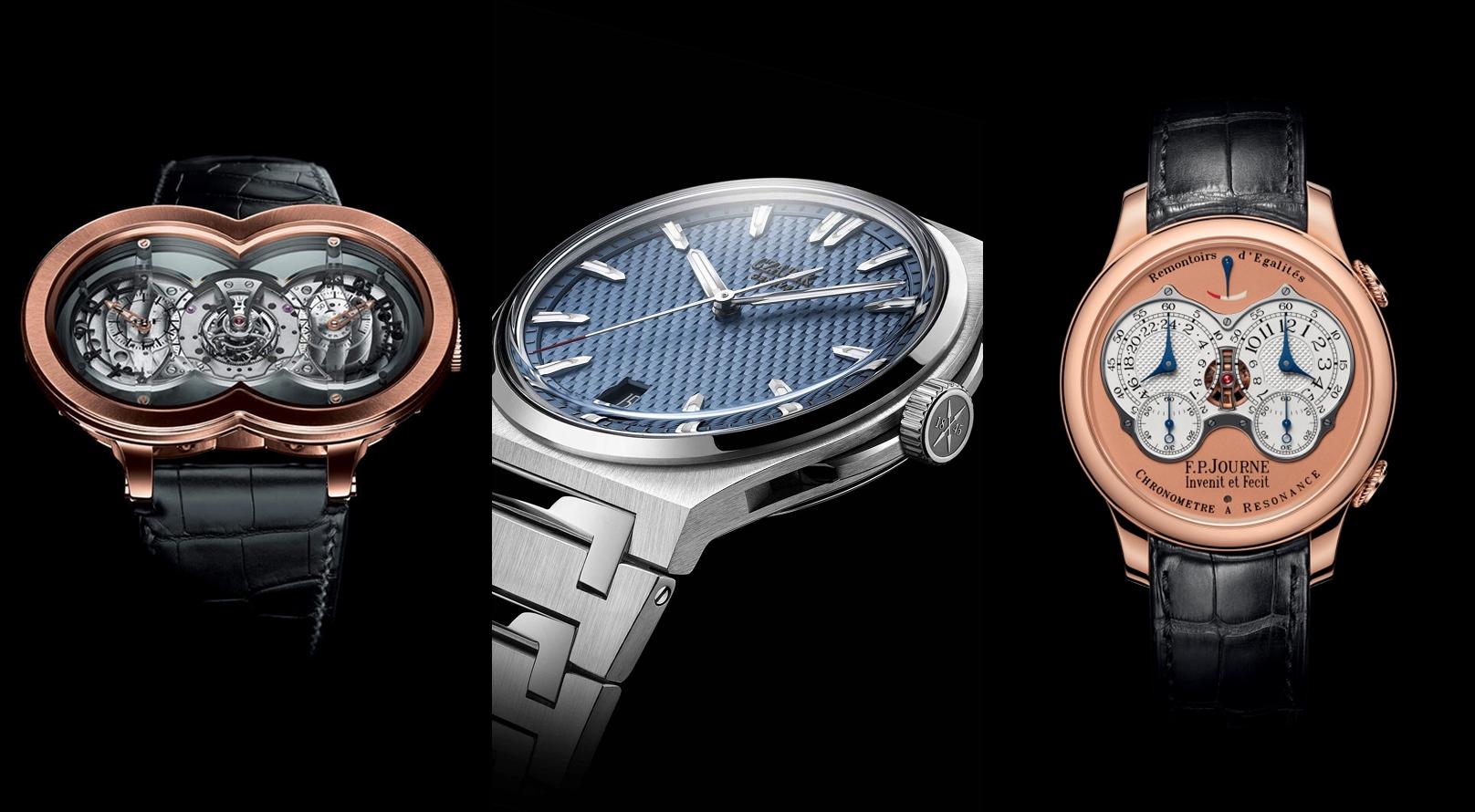
The Rise Of Independent Watchmaking In A Collector-Driven Era
 14 Jul, 2026
 5 Min Read
The Timepieces Worn By Football’s Biggest Stars In 2026
15 Jun, 20266 Min Read
Two Ways To Track The World: Understanding GMT And World Timer Watches
30 May, 20267 Min Read
The Ten Luxury Watch Brands Defining India's Collector Market In 2026
30 May, 20265 Min Read
Buying Better, Not Louder: A Guide To Serious Watch Collecting With Pre-Owned Watches
30 May, 20264 Min Read
Top Cartier 2026 Releases We Can’t Stop Thinking About
29 May, 20265 Min Read