 0
0
 Trending Articles
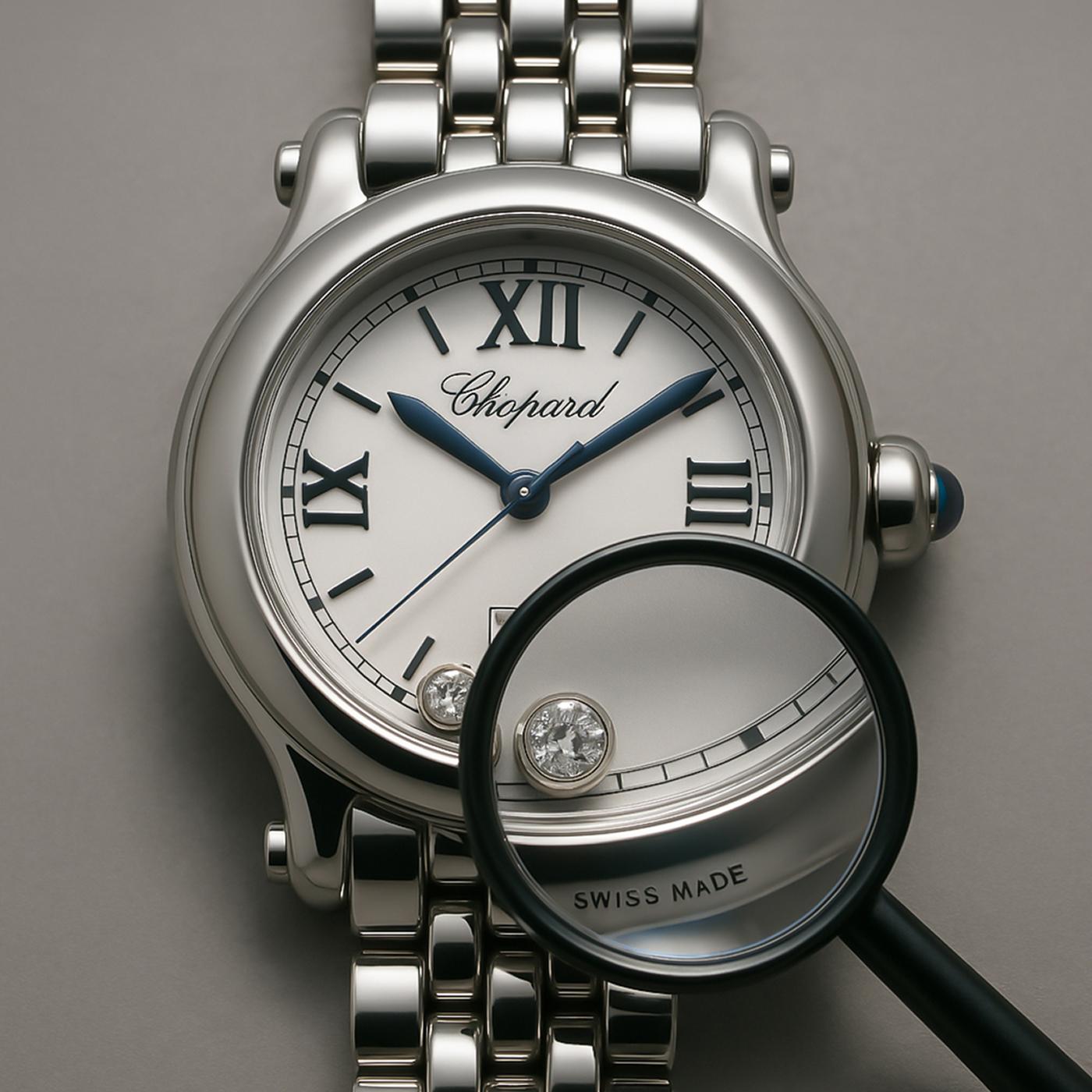
How To Spot A Fake Chopard Happy Sport Watch
31 Jul, 2025


Most Iconic Watches Of All Time And Why?
28 Jul, 2025
The modern secondary market has reshaped how collectors approach ownership. A luxury timepiece is valued not only as a personal acquisition or inherited heirloom, but also as an asset influenced by collector demand and market timing. That evolution has become particularly visible in India, where interest in pre-owned horology continues to accelerate alongside broader global trends. Behind every market shift, however, there is a simple question: What is my watch worth? The answer rarely rests on a single factor. The answer sits at the intersection of data, condition, timing, and motive.

Understanding What Shapes Pre-Owned Watch Value
One of the most common misconceptions in luxury watch valuation in India is the belief that the original retail price determines present-day worth. In reality, the secondary market operates independently of retail pricing. A stainless-steel sports Rolex acquired five years ago may now command a substantial premium, while another model from the same period may have depreciated substantially. The current pre-owned watch value is shaped by several factors.
Condition And Completeness
Condition is the most obvious; even tiny discrepancies in polishing, dial patina, or bracelet stretch can create significant gaps, especially for vintage pieces. Original box and papers carry considerable weight. A full set can add 10–20% to the valuation, as it reflects attentive ownership and simplifies authentication. Beyond measurable factors, collector sentiment plays a huge role. A reference that falls out of favour can soften in value even when its condition and completeness are unchanged. For many owners asking, “What is my watch worth?,” condition becomes the single biggest pricing variable.
Brand And Model Strength
Certain references consistently outperform the wider market because demand remains stable across regions and generations. Anyone researching what my watch is worth will quickly notice that Rolex sports models behave very differently from most luxury watches on the secondary market. Rolex continues to anchor the global secondary market for luxury timepieces, particularly the Submariner, GMT-Master II, and Daytona. The Rolex resale value in India market remains especially strong due to limited authorised dealer allocations and sustained buyer demand.
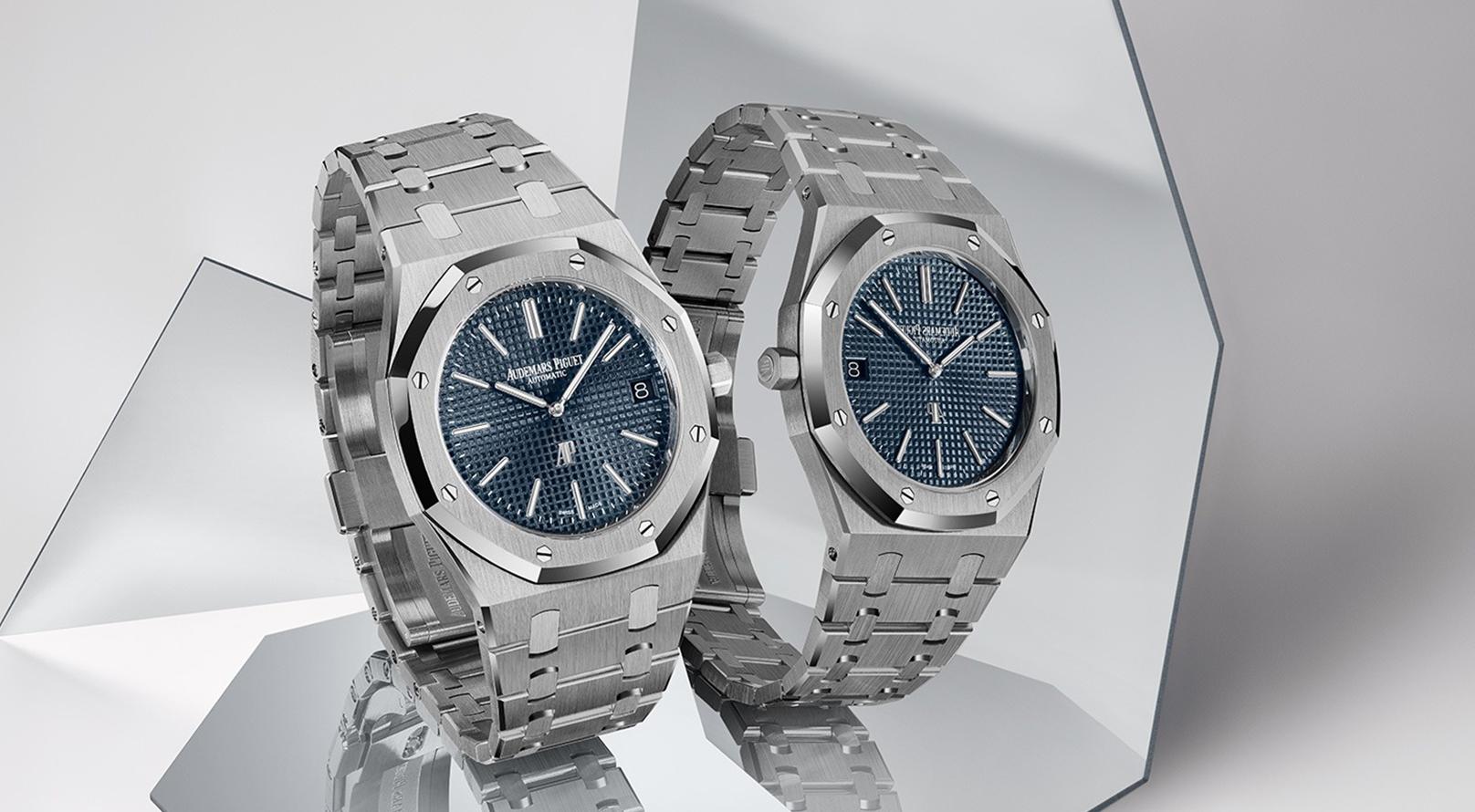
Similarly, the AP Royal Oak resale value conversation remains relevant because Gérald Genta-designed integrated bracelet sports models continue to attract collectors despite post-pandemic corrections. Meanwhile, the Patek Philippe secondary market still revolves heavily around the Nautilus and select complications, although speculative pricing has cooled since its 2021 peak.
Evolving Collector Preferences
Secondary-market data suggests a meaningful shift in collector preferences: Cartier’s share of Gen Z purchases rose from 1.7% to 6.8% over seven years, reigniting interest in dress references after years of relative dormancy. Vintage Cartier references such as the Tank or Santos Galbée, once comparatively overlooked by mainstream collectors, have seen renewed collector interest as demand for dress watches has expanded.


Conversely, data indicate that Patek Philippe’s relative secondary-market share declined by 8.2% in H1 2025 compared with a particularly strong H2 2024, suggesting a moderation after an exceptional period of demand. This does not suggest a weakening of flagship references such as the Nautilus, which continues to serve as one of the market’s defining benchmarks. This points to a post-speculation phase in which pricing is increasingly impacted by committed collectors instead of short-term speculative buyers.
AP Royal Oak resale value has followed a similar arc, with the most coveted references stabilising among dedicated collectors.
Reading The Market In India
In India, local nuances add another layer. Import duties and limited authorised dealer networks often push the resale value of Rolex in India higher than some global averages for highly sought-after references like the stainless-steel Daytona or GMT-Master II “Pepsi,” because local supply is constrained. Yet more widely available models, such as an Oyster Perpetual or a Datejust in common configurations, may depreciate more steeply, tracking watch depreciation India patterns that mirror global softness for less speculative references.

To develop a clearer understanding of market value, seek out aggregated data tools that report on completed transactions rather than active listings. This distinction matters more than most sellers realise: a watch listed for a certain price tells you what someone hopes to receive, not what a buyer has actually paid. Filtering for your specific reference, condition, and geography against recent sold data and not asking prices is what produces a credible valuation range. A reliable number is never a single figure from a forum; it is a range built from recent, comparable sales.
Why Collectors Choose To Sell
The decision to part with a luxury timepiece is rarely impulsive. More often, it reflects evolving tastes, changing collecting priorities, or an awareness of market timing.
Collection Refinement
One of the most common reasons people sell luxury watches in India is the evolution of their collections. Collectors often move from accessible sports references towards independent makers, vintage complications, or haute horlogerie. A collector who bought an entry-level Tudor Black Bay may now have the means and the eye for a Rolex Submariner, and selling the Tudor helps facilitate the transition. The H1 2025 data show Tudor posting the strongest market-share gain of any brand at 6.6%, reflecting growing secondary-market liquidity — which means a well-maintained Black Bay is likely to find a willing buyer, even if it trades below retail. Selling becomes part of a more deliberate process of collection refinement rather than exiting the hobby altogether.
Changing Personal Taste
Taste evolves in ways that are difficult to predict at the point of purchase. A large sports chronograph that felt essential a decade ago may now sit unworn as preferences shift towards more intended pieces. That shift is the natural progression of a collecting eye developing over time. Selling what no longer fits makes room, both physically and financially, for what does.


Taking Advantage Of Market Timing
Another motivation is capitalising on periods of heightened demand. Many collectors choose the best time to sell a luxury watch in India when demand strengthens around specific references. Dress watches surged across the secondary market from 2023 onwards, with Cartier, vintage references, and slimmer complications leading the shift. Recent secondary market data, however, notes the first slight dip in dress watch momentum through H1 2025 — whether this represents a brief pause or a broader correction remains to be seen. If you own a vintage Cartier or a slimmer dress reference acquired before the trend took hold, the current market still represents a meaningfully better exit than three years ago.
When Not To Sell
One motivation worth approaching with caution is the reactive sell: parting with a watch in response to a short-term price dip, a news cycle, or the anxiety of watching a reference soften. Secondary market fluctuations are normal, and a watch bought for personal reasons with genuine appreciation rarely benefits from an exit timed to market noise. If the watch still earns its place on your wrist, that is usually the more reliable guide than a six-week price chart.
Maximising The Value Of A Luxury Timepiece
If you decide to sell, preparation is essential. Gather the original box, warranty card, hang tags, and any service records; they reinforce provenance and ownership history.
When it comes to how to get the best price for a luxury watch, the channel matters. In India, a growing network of curated pre-owned luxury watch platforms and trusted local dealers now offer competitive pricing that often reflects global market rates. A growing network of curated pre-owned platforms and trusted dealers in India now offers authentication and expert valuation, creating a more transparent resale ecosystem than existed five years ago.


The best time to sell a luxury watch in India is rarely defined by seasonality and more often by the position of a specific reference within the market cycle. Yet data alone should never define the decision. The more important question is whether the watch still holds a place in your collection. When that clarity arrives, the decision feels less like relinquishing an object and more like a reasoned transition guided by clarity, timing, and appreciation for what the timepiece once represented within the collection.

The Journal
28 May,2026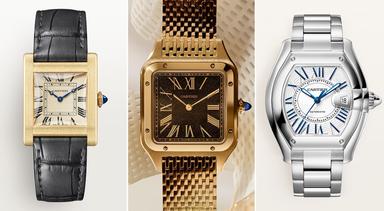
Want to be the first to be in the know?
Sign up to be emailed when I publish new content. Read. Watch. Shop. Learn. Trade. All in one place.

Related Stories
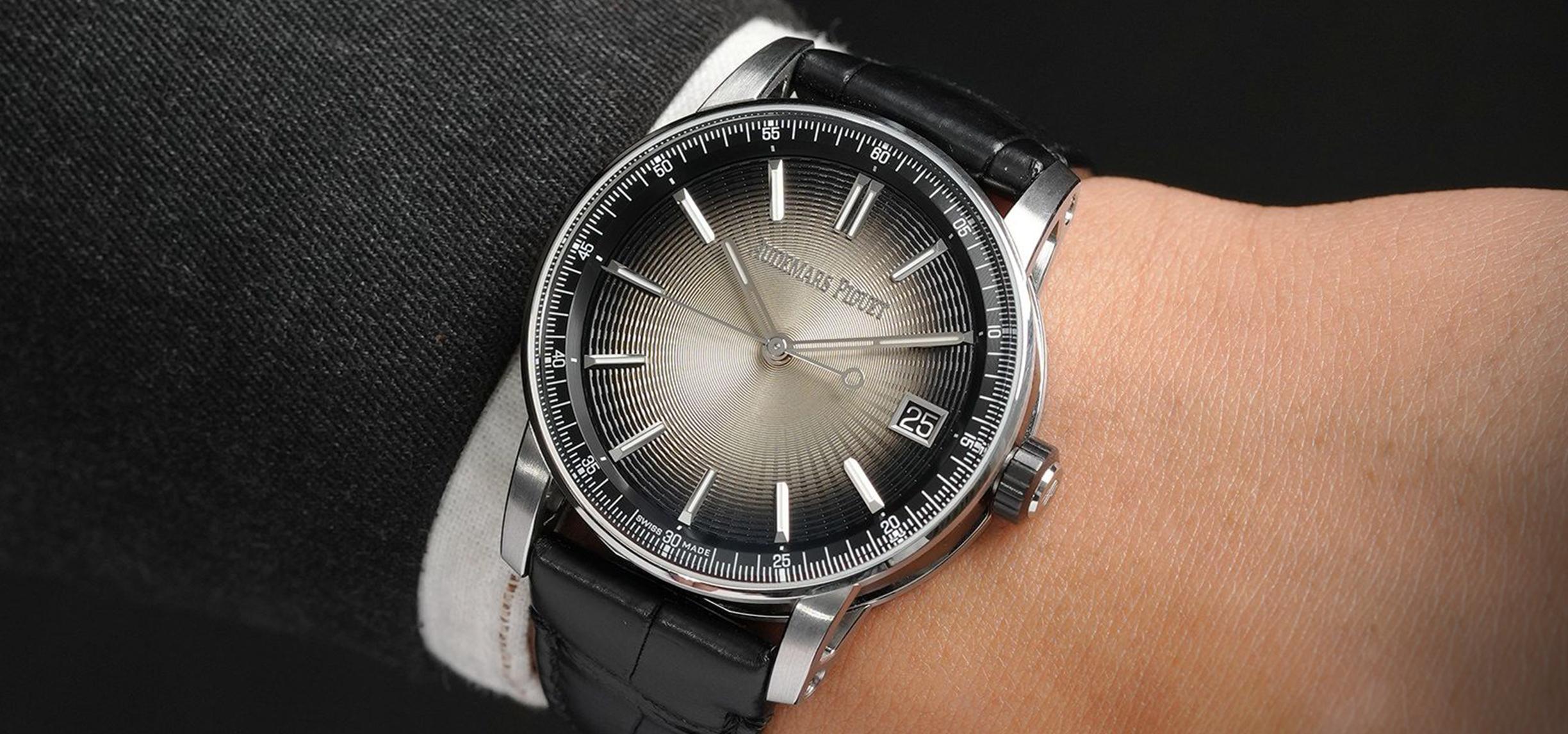
Top 7 Audemars Piguet Watches Every Collector Wants in 2026
 15 Jul, 2026
 12 Min Read
The Rise Of Independent Watchmaking In A Collector-Driven Era
14 Jul, 20265 Min Read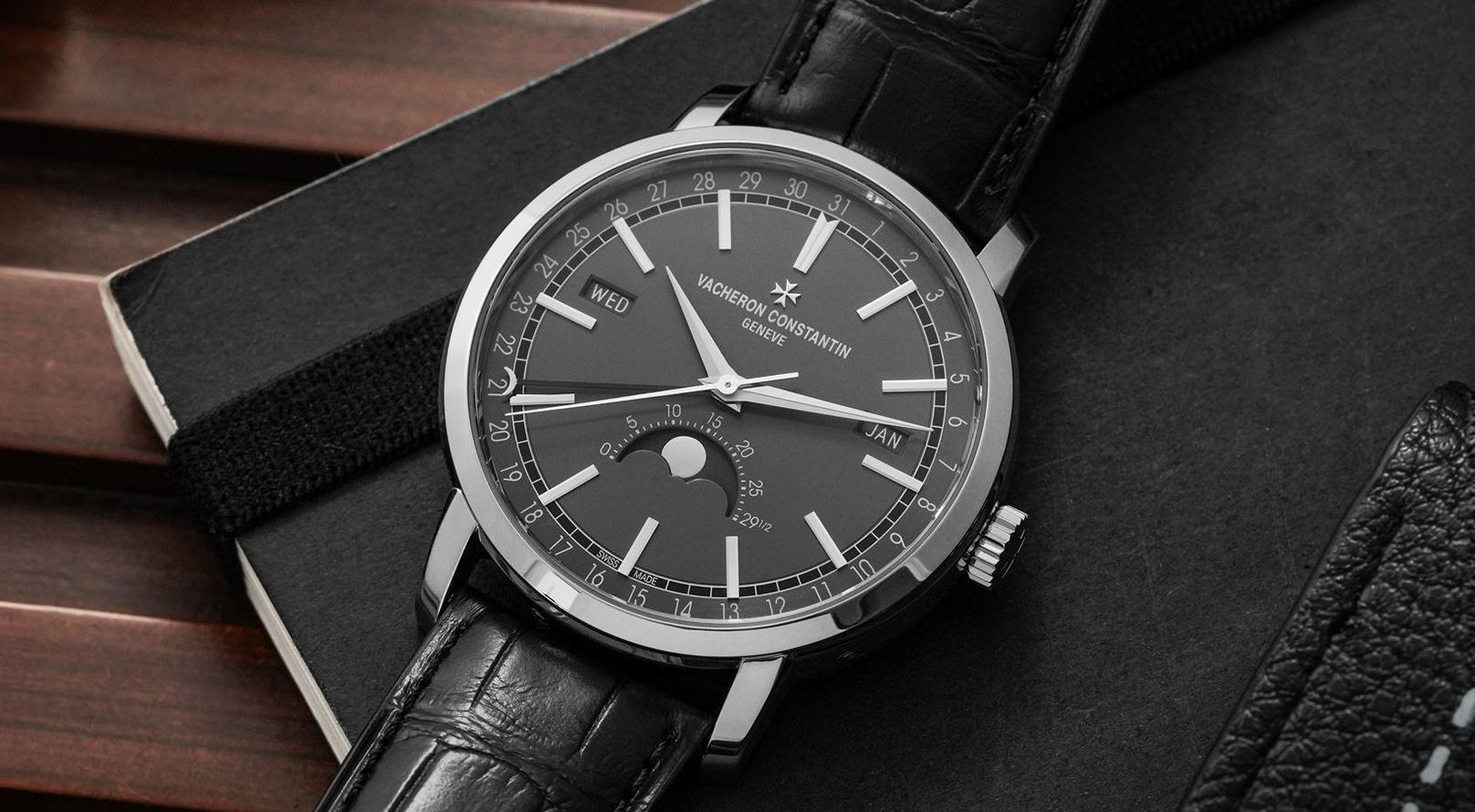
The Watch That Outlives Us
19 Jun, 20264 Min Read
The Timepieces Worn By Football’s Biggest Stars In 2026
15 Jun, 20266 Min Read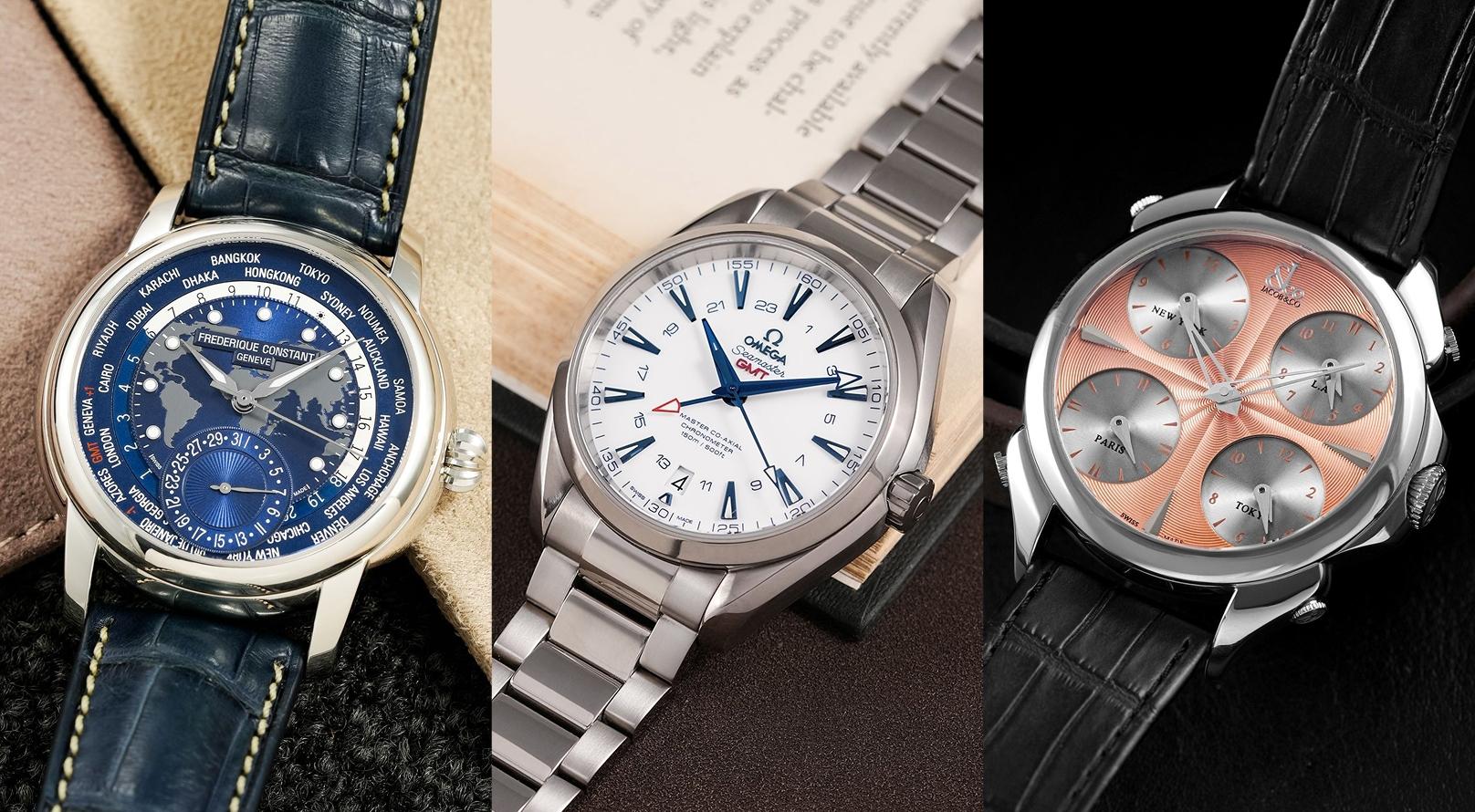
Two Ways To Track The World: Understanding GMT And World Timer Watches
30 May, 20267 Min Read
The Ten Luxury Watch Brands Defining India's Collector Market In 2026
30 May, 20265 Min Read